Home »
SAFE program available in East Kootenay
April is Sexual Assault Awareness Month.
If you or someone you know has experienced a sexual assault, help is available at your closest emergency department through Interior Health’s Sexual Assault Forensic Examination (SAFE) program.
Every emergency room in Interior Health has the capacity to provide medical forensic care for survivors of sexual assault, including sites throughout the Kootenays, like East Kootenay Regional Hospital in Cranbrook, and Kootenay Boundary Regional Hospital in Trail.
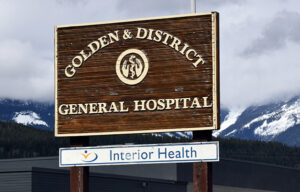 Some of the smaller sites, like Boundary District Hospital in Grand Forks or Golden & District Hospital, provide this care supported by teleSAFE, which allows expert consultation to be available virtually without in person examiners; individuals can also choose to have in-person examinations done at a larger site.
This approach is designed to align with established clinical and forensic standards and allows survivors to receive timely care closer to home, while supporting the collection of forensic evidence in accordance with professional and legal requirements.
Interior Health’s SAFE program provides confidential, compassionate support for those who have experienced sexual violence, which is available to people of all genders.
SAFE care is medical care. If someone has been assaulted, the SAFE team ensures proper medical care and will offer options for collection of evidence as well as resources for individuals to access after discharge.
When a person arrives at the hospital, they’re seen by a health care team that may include nurses, doctors and social workers. The team makes sure individuals are fully informed about their options for care. All care decisions are their choice, and the team will support whatever they choose.
“This program provides patients seeking help with immediate access to medical and forensic care, regardless of whether they wish to report the assault to the police,” said Kathleen Nicholson, Regional Educator for the SAFE Program, Emergency Services Network. “Patients choose what is best for them, and a police report is not required to access SAFE services.”
Some important details to note about Sexual Assault Forensic Examination (SAFE) program services:
- Police are not automatically involved when you access SAFE services. A “forensic examination” means that evidence may be collected, or information documented that can be used in a court case. The legal system does not need to be involved for you to have SAFE care.
- The SAFE program does not test swabs. Tests are only done by police, if required.
- You can choose to report to the police at any time. If you are not ready to report at the time of your exam, Interior Health will store evidence for one year. The documentation will be stored indefinitely. You will get a handout from your examiner explaining this process.
- SAFE examiners are part of a multi-disciplinary team and are knowledgeable about appropriate community referrals once a patient is ready for discharge.
- If you have no memory of an assault happening, the SAFE team can still support you. Someone who has been drinking or using drugs is unable to consent. An attacker may have used drugs or alcohol to make you unable to consent, unable to understand what is happening, and unable to remember the assault. If you suspect you were sexually assaulted but cannot remember, please come into an emergency department near you.
- Children 13 years of age or older do not need a parent to access SAFE services. You can choose your care during your hospital visit. If you are a child or youth and would like to talk to someone, call the Helpline for Children at 310-1234. You do not need an area code, you do not have to give your name and can call at any time of the day or night.
Learn more about SAFE program services available through Interior Health here.
For more information on Intimate Partner Violence (IPV), please follow the link here.
Interior Health