Home »
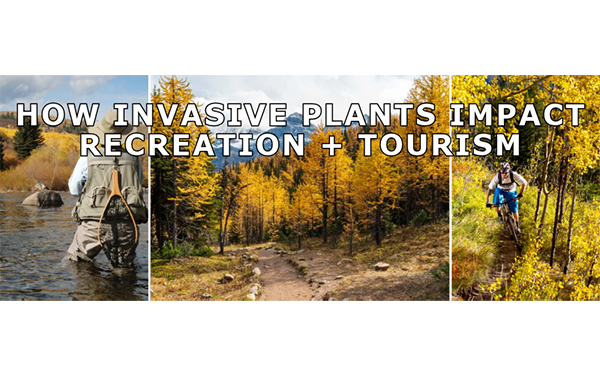
How invasive plants impact recreation and tourism
By East Kootenay Invasive Species Council
For many of us in the East Kootenay, getting outside is part of what makes this region special. Whether we’re fishing our favourite lake, hiking a mountain trail, paddling a quiet wetland, walking the dog, or heading out on an ATV or by horseback, healthy ecosystems help make these experiences possible.
 But invasive species can change how we enjoy the outdoors. They can restrict access to trails and waterways, affect wildlife, pose risks to people and pets, and create costly challenges for recreation areas and local businesses. So, how exactly can invasive species put a damper on our adventures?
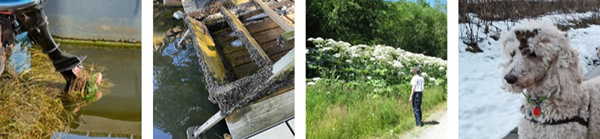
For anglers, boaters, and paddlers, invasive aquatic plants like Eurasian watermilfoil can form dense underwater growth that tangles fishing lines, snags boat propellers, and makes swimming and navigating waterways more difficult.
Beyond the inconvenience, invasive aquatic species can alter water conditions, disrupt food webs, and change the habitat native fish depend on, potentially affecting fishing opportunities.
Zebra and quagga mussels are another major concern. Although they are not established in British Columbia, these invasive species can damage infrastructure, attach to docks and watercraft, and disrupt freshwater ecosystems. Keeping them out of our lakes is far easier than managing an established infestation, which is why cleaning, draining, and drying watercraft is so important.
On land, invasive plants can make our favourite trails, campsites, and recreation areas less enjoyable, too. Dense patches can encroach on trails and waterfront access points, while aggressive invaders can replace diverse native vegetation and change the landscapes we love to explore.
 Native plants provide food and shelter for wildlife, support pollinators, and help maintain healthy soils. When invasive plants displace them, the impacts can ripple through the ecosystem, affecting everything from insects to birds and mammals.
Some invasive plants also pose direct safety risks. Giant hogweed and wild parsnip, for example, contain sap that can cause severe skin reactions when exposed skin subsequently encounters sunlight. Learning to recognize these plants and avoiding contact can help keep outdoor adventures safe.
Even our four-legged adventure buddies aren’t immune! If you’ve ever picked burdock burs out of your dog’s fur, you know how frustrating these prickly hitchhikers can be. They can become tangled in fur, irritate skin, and be uncomfortable to remove. Burdock can also pose risks to wildlife that becomes entangled in its seed heads. A quick check of your dog’s coat, paws, and ears after a walk can help prevent discomfort and stop seeds from hitching a ride to your next destination.
And if mountain biking, ATVing, or exploring backroads is more your style, your equipment can unintentionally help invasive species spread. Seeds and plant material can travel on muddy boots, bike tires, ATV undercarriages, and trailers, moving from infested areas into new habitats.
Roadsides, disturbed soil, and trail edges can provide ideal conditions for invasive plants to establish and spread into nearby forests and grasslands.
These infestations can also come with a hefty price tag. Managing invasive species requires time, equipment, and funding for surveys, treatments, restoration, and maintenance. When trails become overgrown or waterways are affected, recreation operators, local governments, and businesses that rely on outdoor tourism may feel the effects. Preventing the spread early is often far less costly than managing widespread infestations later.
But we can all help protect the places we love! Before heading home from your next adventure, take a moment to check your boots, clothing, bikes, ATVs, and trailers for mud, seeds, and plant material. Clean, drain, and dry watercraft before moving between waterbodies, check your pets for burrs, and stick to designated trails to minimize disturbance.
Learning to recognize invasive species and reporting suspected sightings through Report Invasives BC can also help catch new infestations before they spread.
East Kootenay Invasive Species Council images