Home »
Buy Canadian attracting domestic buyers
Canada’s winter recreational housing markets rebound in 2025, as push to ‘Buy Canadian’ attracts domestic buyers
Following declining activity in 2024, the country’s most popular ski regions reported gains in sales and property prices in the first three quarters of this year.
Royal LePage is forecasting a four per cent increase in single-family home prices over the next year in popular ski regions across the country.
Nationally, single-family home prices in Canada’s winter recreational market increased 3.8% year over year in the first nine months of 2025.
Sixteen of the 18 recreational markets in the report recorded an increase in sales this year, including Invermere.
Forty-seven per cent of recreational property experts report more inquiries from domestic buyers of recreational real estate as a result of the ‘Buy Canadian’ movement, according to the Royal LePage’s Winter Recreational Property Report released Jan. 22.
Home prices in Canada’s popular ski regions rose moderately in the first nine months of 2025. Nationally, the median price of a single-family detached home increased 3.8% year over year to $982,000.
The median price of a single-family detached home in Invermere’s recreational property market for the first nine months of the year increased 3.5% year over year to $775,000, while the median price of a condominium increased 4.1% to $359,000, Royal LePage reported.
For those looking to buy a house or condominium slopeside or at mountain base, prices typically start at $675,000 and $290,000, respectively. Total sales were up 9.3% year over year in the region.
“The strength of Alberta’s economy has motivated more Canadians to cross provincial lines and invest in recreational properties in B.C. over the past year. While lower interest rates aren’t typically the main driver of recreational buying activity, recent rate cuts have provided an added incentive to make a purchase,” said Barry Benson, broker, Royal LePage Rockies West Realty.
“As a result, we’ve seen a notable uptick in demand this past year, alongside rising home prices. Limited inventory has further fueled price growth. Many of our buyers continue to come from Calgary – urban residents looking for a weekend escape just across the B.C. border – but interest from other parts of Alberta has been gradually increasing as well.”
Benson added that since many Invermere recreational buyers live outside the area, they often look to short-term rent their properties to help offset carrying costs. However, increasingly strict regional regulations on short-term rentals have made that more difficult as of late.
“If Alberta’s economy continues to gain momentum, we can expect the Invermere market to stay active, pushing prices higher in 2026,” said Benson. “However, low inventory levels could start to curb demand if buyers aren’t able to find the winter getaway they’ve been searching for.”
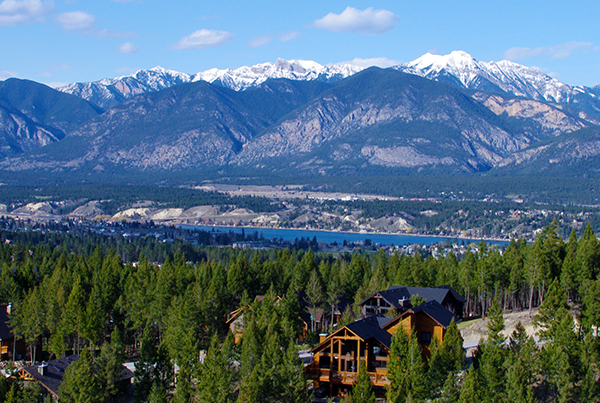 Royal LePage is forecasting that the median price of a single-family detached home in Invermere will increase two per cent over the next 12 months.
“Following a year of sluggish activity and stagnant prices in 2024, the real estate markets in Canada’s most popular ski destinations rebounded in 2025. Modest interest rate relief and a growing ‘Buy Canadian’ mindset helped reignite demand for slopeside chalets and mountain retreats. While economic uncertainty continues to weigh on many urban markets, buyers seeking winter escapes are pushing ahead – demonstrating once again the resilience and enduring appeal of Canada’s recreational regions,” said Phil Soper, Royal LePage president and chief executive officer.
Recreational real estate markets across the country have proven to be more resilient and stable than major urban markets over the past year, with strong demand and increases in sales activity and prices.
 A majority of the recreational real estate markets covered in the report (89%) recorded a year-over-year increase in sales activity in the first nine months of 2025, and more than three quarters (78%) recorded an increase in the median price of single-family homes, Royal LePage noted.
Eighty per cent of Royal LePage recreational property experts across the country reported similar or more demand in their respective regions for recreational homes compared to 2024, while 47% reported an increase in inventory, and 47% reported an increase in the average number of days on market.
In the wake of ongoing trade tensions and resulting weakness in the economy, homebuyers have approached the residential market with increased caution as of late. According to the latest Royal LePage House Price Survey and Market Forecast, the aggregate price of a home in Canada recorded virtually no change in the third quarter of 2025, increasing just 0.1 per cent year over year to $816,500.
On a quarter-over-quarter basis, the national aggregate home price posted a decline of 1.2 per cent.
By comparison, Canada’s recreational property market has remained notably more resilient, as many consumers in this segment appear willing to look past broader economic challenges, Royal LePage said.
“Canada’s recreational property markets have historically weathered economic headwinds better than most of the real estate industry. Buyers of second homes tend to have more financial flexibility and are less sensitive to short-term interest rate changes,” said Soper.
“Supply is also naturally constrained. Unlike our cities, recreational regions see limited new construction, which means demand routinely outstrips available inventory. Even with broader economic challenges in play, these markets remain resilient as buyers continue to believe in the long-term value – and the lifestyle – that a winter retreat provides.”
Forty-seven per cent of Royal LePage recreational property experts reported that lower interest rates have encouraged more buyer demand in their market this year.
Canadians look to vacation at home amid trade tensions with U.S.
 Political and economic tensions between Canada and the United States, and as a result, the ‘Buy Canadian’ movement – which has encouraged Canadians to direct their time and money toward domestic products, services and destinations in response to the tariffs imposed by the U.S. – are changing how and where Canadians are choosing to spend their vacations.
Statistics Canada has reported year-over-year declines of Canadian-resident return trips by automobile from the United States every month this year to date, Royal LePage noted.
It has also had a ripple effect on the real estate market, including within recreational regions. Forty-seven per cent of Royal LePage recreational property experts reported more inquiries from domestic buyers of recreational real estate. Meanwhile, 27% of experts have noted an increase in the number of American buyers inquiring about recreational real estate in their area over the past year.
“With relations between Canada and the U.S. running cool, more Canadians are choosing to spend their winter vacations at home,” said Soper. “Domestic destinations are benefiting as travel habits shift and people look for escapes that feel close, comfortable, and truly Canadian.
“At the same time, the favourable exchange rate is drawing increased interest from American buyers looking for a foothold in our winter recreational markets. Recreational properties are generally exempt from Canada’s foreign-buyer restrictions, which adds another layer of appeal for U.S. purchasers exploring seasonal retreats north of the border.
It’s a specialized segment of the market, and buyers are best served working with a recreational property expert, not an urban agent. You want someone who knows the many unique aspects of owning a country getaway,” noted Soper.
According to a recent Royal LePage survey, conducted by Burson, more than half (54%) of Canadians who currently own residential property in the U.S. say they are planning to sell within the next year, among whom a majority (62%) credit the current political administration as the main reason.
Thirty-three per cent of them say they are motivated by other factors, such as personal and financial reasons, and another five per cent say it is due to increasingly extreme weather conditions, like hurricanes, flooding and forest fires.
When asked if they plan to reinvest the proceeds of the sale of their U.S. home into the Canadian real estate market, almost one third (32%) of respondents who have recently sold or are planning to sell within the next year answered ‘yes’.
Royal LePage is forecasting that the median price of a single-family detached home in Canada’s recreational ski regions will increase four per cent over the next 12 months.
This outlook reflects expectations of a continued rebound in the recreational market, supported by lower borrowing costs that will draw more buyers back into the market, as well as growing domestic demand for recreational properties across the country.
In the first nine months of the year, the median price of a single-family detached home in British Columbia’s popular ski regions increased 1.8% year over year to $1,796,000, while the median price of a condominium increased 9.5 per cent to $528,500. In the province’s recreational market, the median price of a single-family detached home is forecast to increase 3.5 per cent over the next 12 months.
Data chart – Royal LePage 2025 WinterRecreational Property Report: rlp.ca/table-2025-winter-recreational-report.
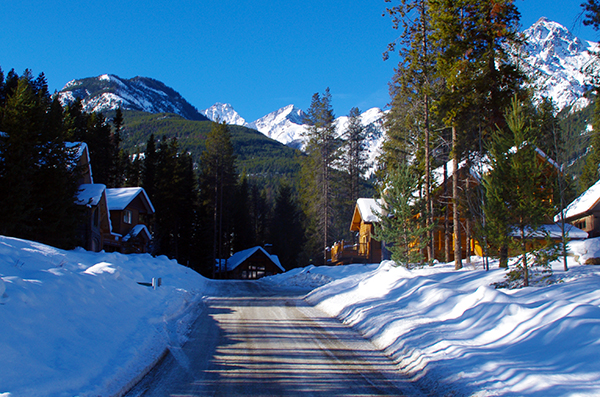
Lead image: Panorama Mountain Resort, 18 km west of Invermere. e-KNOW file photos
e-KNOW