Home »
Mountain National Parks begin AIS Prevention Strategy
Managing the risk of aquatic invasive species (AIS) is a high priority for Parks Canada and is a shared concern among Canadians and the visitors who come to enjoy and recreate in our national parks.
Across the mountain national parks (Banff, Jasper, Kootenay, Yoho and Waterton Lakes), Parks Canada offers numerous water-based recreational opportunities that attract thousands of visitors each year.
While water activities are an important part of the visitor experience, they also increase the risk of introducing and spreading AIS. Once introduced, AIS can permanently disrupt sensitive ecosystems of lakes and rivers; causing irreversible damage to the genetic integrity of fish populations, and harming critical infrastructure, and reducing recreational opportunities.

Preventing the spread of AIS is the most effective way to protect lakes and rivers.
Parks Canada takes its mandate to protect ecological integrity seriously. Since 2017, Parks Canada has adaptively managed and prevented the spread of aquatic invasive species in the mountain national parks through aquatic monitoring, permitting and inspections, education, and regulations.
In an effort to strengthen the protection of the lakes and rivers in mountain national parks, Parks Canada is advancing the next phase of adaptive management by implementing a coordinated, regionally consistent Mountain National Parks AIS Prevention Strategy building on existing measures, lessons learned, and data gathered.
The AIS Prevention Strategy is an evidence-based, adaptive approach that protects ecosystems while supporting positive visitor experiences.
In spring 2026, the next phase of adaptive management will begin with the introduction of Water Activity Zones and associated aquatic equipment restrictions will come into effect in the mountain national parks. The implementation of restrictions and specific permitting requirements may vary by park and Parks Canada encourages visitors to plan ahead and check which zone a waterbody is in to ensure their planned water-based activity is permitted.
Additional components of the AIS Prevention Strategy will be introduced over the next two years. This will include further details on regional alignment, such as permitting requirements to support water‑based activities across Banff, Yoho, Kootenay, Jasper, and Waterton Lakes national parks.
For more information about the regional AIS Prevention Strategy, visit the Parks Canada website.
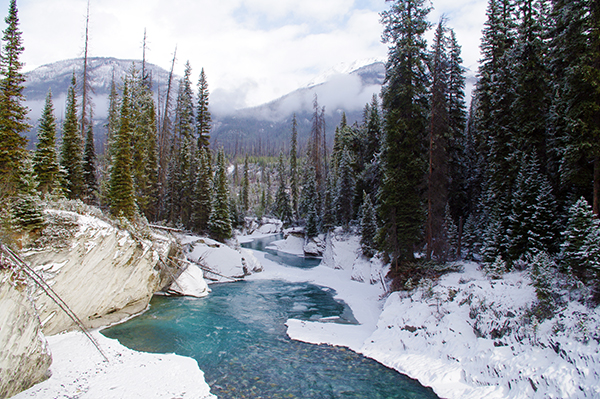
Lead image: Vermilion River in Kootenay National Park. e-KNOW file photos
Parks Canada