Home »
Province preparing for 2026 wildfire season
The BC Wildfire Service (BCWS) has offered specialized training, increased the use of technology and invested in additional equipment to better protect people and communities during the 2026 wildfire season.
Ahead of the 2026 wildfire season, BCWS has more than 600 year-round positions to enhance operational readiness. With improved recruitment, including expanding First Nations bootcamps and extending the hiring period, a record number of approximately 2,400 firefighter applications have been received for seasonal positions.
BCWS also provided specialized training for wildland urban interface operations to more than 1,700 fire departments, First Nations and contractors. This training allows fire departments to deploy to wildfires through structure protection and structure defence courses in a wildland urban interface setting.
Existing contracts are also in place, totalling more than 700 personnel, for contract firefighters to supplement BCWS during fire season. Contract firefighters support on-the-ground operations in years of significant wildfire activity.
“The threat of wildfire continues to grow and evolve, but so too does the BC Wildfire Service,” said Ravi Parmar, Minister of Forests. “We’re making the investments needed to ensure BCWS is ready for whatever may come this wildfire season, through year-round positions, expanded technology and a new equipment depot in Prince George, all to keep people and communities safe throughout British Columbia.”
In anticipation of the 2026 wildfire season, BCWS:
* invested $14 million to expand BCWS’s on-the-ground firefighting equipment, such as trucks and camp infrastructure;
* acquired 10 additional Type 2 structure-protection units, which are trailers containing equipment such as pumps, hoses, sprinklers and water-delivery attachments for structure protection and defence, to protect communities;
* purchased mechanical assets, such as pumps, saws and safety equipment.
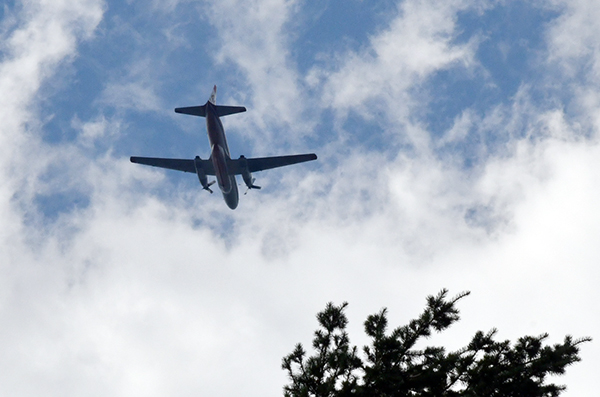
BCWS’s aviation program consists of air tanker and rotary wing resources, including eight tanker groups with a fleet of 28 fixed-wing aircraft in more than 14 bases throughout the province for deployment. There are also an additional 120 carriers with helicopters that are hired when required to respond to wildfires.
Additionally in 2026, there are long-term contracts in place for:
* seven medium helicopters;
* four intermediate helicopters;
* three rappel medium helicopters;
* four heavy helicopters;
* two parattack jumpships.
In 2025, BCWS doubled the size of its night-vision-capable fleet to four helicopters and trained more flight officers to support night operations. This fleet completed 260 missions in 2025, including for wildfire detection, reconnaissance and water delivery, and will continue to be utilized for night missions in 2026.
Multi-year investments in predictive tools and technology, such as enhanced wildfire camera networks and advanced fire-behaviour prediction systems, have led to early detection of wildfires. Additionally, BCWS has added camp infrastructure that provides versatility in deployment and increases camp capabilities.
e-KNOW file photo
BC Wildfire Service