Home »
Spring cleaning showdown
B.C. couples debate who is better at chores
A new BC Hydro survey shows spring may be the season of renewal, but for many B.C. couples it also marks the return of one of the year’s biggest battlegrounds: spring cleaning.
The survey, conducted on behalf of BC Hydro, finds while couples may be aligned on their love for a fresh, organized home, they are less united on how to get there. From cleaning and laundry to dishes, and temperature control, both sides are convinced they are the best at chores.
Laundry tops the list of flashpoints. Nearly 60% of British Columbians believe they are better at tackling the wash than their partner. Of those, 82% are women and just 35% men – a gap likely tied to the fact that women are three times as likely to do the laundry in their relationship.
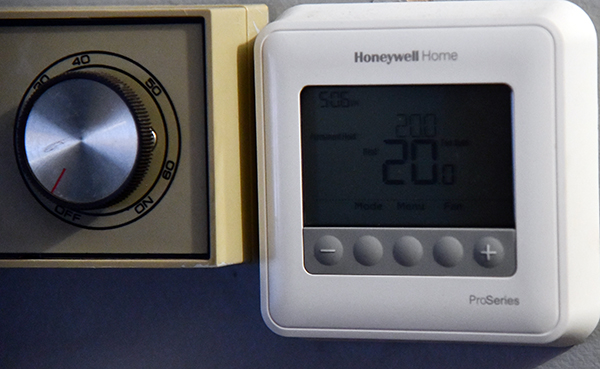
Temperature battles also make their way into the spring-cleaning routine. One in five couples admit to daily temperature disputes. Men are about ten per cent more likely to take control, and a confident 77% of them insist they are better at setting it correctly than their partner.
Domestic confidence extends into the kitchen as well, where 55% think they are the better cook, led by 67% of women and 45% of men. Cleanup is a similar story as 54% believe they outperform their partner, with women (77%) far more likely than men (34%) to say they are the true cleaning expert at home.
Even dishwashing comes with drama. Six per cent of couples say they have strong, clashing opinions about the “right” way to load the dishwasher. Notably, 19% say they are the household dishwasher perfectionist, and men are more likely to claim that title. Meanwhile, nearly 20% insist on running the dishwasher only when it is full, a rule women tend to enforce more often.
And the disagreements don’t stop at the front door. Driving often feels like a chore, especially when the seasons and the weather change. Men are more than twice as likely as women to say they handle most of the driving, and they are far more confident in their skills behind the wheel: 58% of men believe they are the better driver in the relationship, compared with just 28% of women.
BC Hydro suggests the following tips to help keep your electricity bill off the list of things to argue about this winter:
Team up together: Join the thousands of British Columbians who have successfully completed a Team Power Smart Reduction Challenge.
Follow temperature guidelines: From an energy efficiency perspective, BC Hydro recommends setting the thermostat at 21 degrees Celsius when relaxing or watching TV, 18 degrees Celsius when cooking or doing housework, and 16 degrees Celsius when away from home or sleeping.
Skip the heat dry: Running a full load is the most efficient way to use the dishwasher, but skipping the heat dry function can cut its electricity use in half.
Cook smarter: Choose to cook meals with smaller appliances, such as a crock-pot or air fryer – these use up to 75% less energy than an electric oven.
Clothes it down: Around 80% of a clothes washer’s energy use goes towards heating the water. Washing clothes in cold water is a simple way to reduce a washing machine’s energy use. Using a clothesline or drying rack for wet laundry when you can, is another simple way to reduce energy use as dryers up to 12% of a household’s total energy.
Drive smoother: No matter who is driving, rapid starts and hard braking waste a lot of energy. If you look ahead, ease into acceleration, and let your vehicle coast gradually toward stops, you reduce the energy lost as heat during braking, especially in EVs, where smoother driving maximizes regenerative braking efficiency.
e-KNOW file photo
BC Hydro