Home »
How to protect against hantavirus: Interior Health
Cleaning a shed, attic, cabin or barn?
By Interior Health
Spring is in the air, and for many of us in the Interior, it’s time to roll up our sleeves and dive into spring cleaning.
Before sweeping, dusting and decluttering, however, there’s something else that could be in the air that’s important to be aware of: Hantavirus.
How do you get hantavirus?
Hantavirus is a potentially serious infection that is transmitted by some rodents, and in the Interior region in particular, the deer mouse. There are different Hantaviruses around the world, but in B.C./North American, we see the Sin Nombre Virus. The Sin Nombre Virus cannot be transmitted from one person to another.
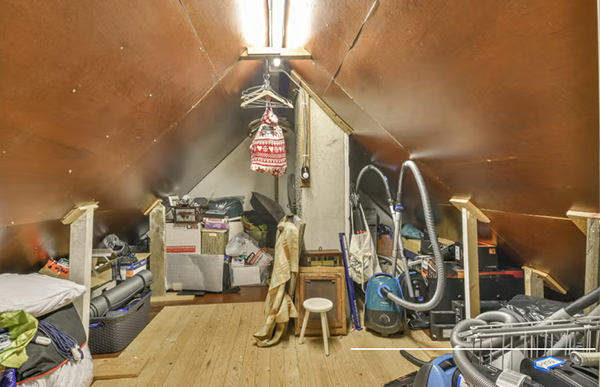
You can get infected with hantavirus when hantaviruses from old rodent droppings and urine are stirred up into the air and then inhaled. This can happen when sweeping and dusting. Risks can be highest when cleaning a shed, attic or cabin that has not been used for a while, or when working in areas where mice may live, such as barns.
Hantaviruses are rare but can cause a very serious disease called hantavirus pulmonary syndrome (HPS for short). Anyone, healthy or not, can be at risk of HPS. There is typically one severe case detected ever year in the B.C. Interior, but there are likely many more less severe cases that go unnoticed and unreported.
Some of the first symptoms of HPS to watch out for are fever, fatigue and muscle aches. Other symptoms can include headaches, dizziness, chills and nausea/vomiting/diarrhea.
How can hantavirus be prevented?
To stay safe during your spring-cleaning routine, it’s essential to take precautions to minimize the risk of being exposed. These precautions include:
Ventilate: Having good ventilation is key to reducing the number of airborne hantaviruses in small spaces. Opening windows and doors at least 30 minutes before and during cleaning can allow fresh air to circulate.
Gear up: Wearing a mask—N100, P100, R100 or N95—will help filter out airborne particles including hantavirus. These are available at some hardware and safety supply stores. (Note that paint and dust masks are not adequate.) Rubber gloves will protect your hands from contaminated surfaces, and goggles will protect your eyes.
Clean safely: To protect yourself while cleaning:
- Avoid stirring up dust as much as possible by using a damp cloth or mop to clean dusty corners, rather than vacuuming or sweeping (which can put particles into the air).
- If you come across rodent droppings or nests, wet the area with a general-purpose disinfectant, household detergent, or a mixture of bleach and water (one part bleach to 10 parts water). Let the area soak for five minutes prior to cleaning with a damp cloth or paper towel.
- Make sure to throw out the paper towel in a sealed plastic garbage bag. Double bag the contents and place in the garbage, as appropriate to local bylaws.
- Wash your hands with soap and water after removing your gloves.
Stay informed: Stay up-to-date on any advisories or guidelines issued by Interior Health or your local health authority.
By taking these precautions this spring, you can enjoy your clean space without putting your health at risk.
Get detailed information on symptoms and diagnosis, treatment and prevention of hantavirus.
Lead image: Deer mice can be found indoors and outdoors throughout B.C., and love spaces like attics. You can get infected with hantavirus when hantaviruses from old rodent droppings and urine are stirred up into the air and then inhaled. Interior Health photo