Home »
Wasa protects its assets
Across the Columbia Basin, community halls and their parks are often the heart of smaller and rural communities.
In Wasa, the Lions Club and Wasa Recreation Society are ensuring their shared facilities remain available for the people who use them each day for recreation, social gatherings and celebrations.
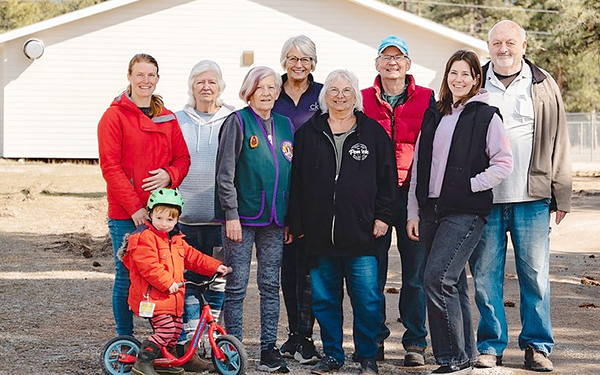
On a summer morning in Wasa, neighbours line up for pancakes topped with berries, with eggs or sausage on the side and coffee close at hand. The pancake breakfast isn’t just about food—it’s about people coming together in a place they share and care for.
The event reflects how community happens in this small East Kootenay settlement. While it takes place on the grounds of the Wasa & District Lions Club, it’s organized by the Wasa Recreation Society, which runs the adjacent Wasa Community Hall.
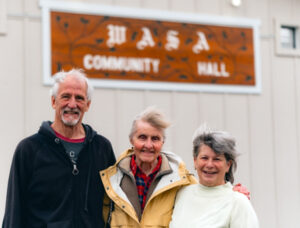 Both groups are run entirely by volunteers, and both are responsible for spaces that support everyday life in Wasa, from sports and social gatherings to meetings, weddings and community meals.
As wildfire risk increases and energy costs rise, protecting those shared spaces, and keeping them usable and affordable, has become a priority.
For decades, the Lions Club grounds have been a hub of activity. Children play baseball and hockey, residents gather for events and visitors stop in for seasonal celebrations. Ensuring those spaces remain safe and available is increasingly important.
“We want these buildings to still be here for the people who use them,” said Sharon Prinz, Secretary of the Wasa & District Lions Club. “They’re part of everyday life in Wasa.”
Earlier efforts focused on reducing wildfire fuel on the grounds. More recently, attention turned to the buildings themselves, including the kitchen, bathrooms, pump house, Zamboni garage and eating area where the community enjoys its well‑known pancake breakfasts.
To better protect people and activities, the club replaced deteriorating vinyl siding with fire‑resistant Hardie board, added insulation to improve comfort and efficiency, and installed energy‑efficient windows with security shutters in the kitchen.
“In a wildfire, embers can travel a long way,” Prinz said. “The shutters help prevent embers from getting inside. Now it’s sealed up tight.”
A new heat pump in the pump house and garage, along with other upgrades such as LED lighting and weatherstripping, has made the spaces more comfortable to use and less expensive to operate.
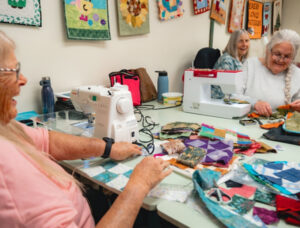 Just steps away, the Wasa Community Hall plays an equally vital role. The hall hosts indoor pickleball, craft fairs, coffee socials and quilting sessions. It’s a popular wedding venue and meeting place, and it houses offices, a small gym and a community library. For many residents, it is where they stay connected.
“With a small community like ours, this building really matters,” said Karen Markus, a member of the Wasa Recreation Society. “It’s where people gather year‑round.”
Keeping the hall comfortable and affordable had become increasingly difficult as energy costs continued to rise.
“Heating and cooling costs were huge,” Markus says. “It was getting harder to manage.”
In 2025, the society replaced vinyl siding with fire‑resistant Hardie board, added insulation and installed new energy‑efficient windows with shutters. The improvements are noticeable.
“It stays cooler in the summer and holds heat better in the winter,” Markus said. “And it just feels better to be in.”
The most significant change came with the installation of 68 solar panels in 2021, which dramatically reduced energy bills and helped keep the hall affordable for community activities.
“Both grants have contributed to a great, all‑around successful project,” Markus said. “It helps keep the hall open and accessible.”
 The work at both sites was supported by Columbia Basin Trust, primarily through its Non‑profit SMART program, which helps non‑profits and First Nations in the Columbia Basin improve energy efficiency, generate renewable energy and adapt to a changing climate.
For Wasa’s volunteer‑run groups, that support made it possible to act on goals they already shared: protecting community spaces people rely on and planning for an uncertain future.
The benefits extend beyond individual buildings. Ongoing fuel reduction work, a water tanker housed on Lions Club grounds and a relatively new volunteer fire society have strengthened wildfire preparedness across the area. The projects have also sparked interest from neighbours, some of whom followed suite with solar upgrades of their own.
“Our area is now pretty safe and easily defended,” Prinz said. “We feel it’s important to lead by example.”
By investing in safety, efficiency and resilience, these volunteer groups are helping ensure Wasa’s shared spaces remain places where neighbours can gather. That includes pancake breakfasts, pickleball games, celebrations and everyday connection for years to come.
Click here to learn more and see more photos.
Columbia Basin Trust photos
Columbia Basin Trust