Home »

The market is not weather: a call for human solidarity
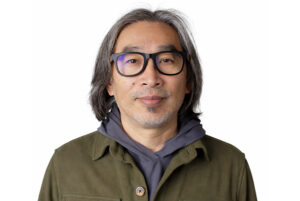
By Stan Chung
Op-Ed Commentary
 Solidarity unionism is not dying because workers stopped caring about justice.
It is struggling because too many people hear “social justice” and think they are being accused, replaced, shamed, or ignored.
Some hear equity and worry talent no longer matters — that creativity, skill, and hard work will count less than heritage or ancestry.
Some hear immigration and worry wages, housing, health care, and schools are under pressure.
Some hear Indigenous rights and worry their own family hardship is being erased.
Some hear solidarity and ask:
Does anyone care about my family too?
We should not answer that fear with contempt.
We should answer it with political solidarity.
Real equity does not replace talent. It recognizes the disproportionate impacts of structural exclusion on women, minorities, and people living in poverty. It asks whether every person has a fair chance to develop their gifts, contribute their labour, and be recognized for what they bring.
The problem is not that families want safety, dignity, housing, health care, good schools, fair wages, and a future for their children.
The problem is that powerful forces keep teaching us to blame each other for the absence of those things.
Immigrants did not create low wages. Big employers, weak labour protections, outsourcing, and wage suppression did. Many local entrepreneurs are not the enemy. They are also trying to survive inside market forces designed far above them.
Immigration did not create the housing crisis by itself. It became the easy target because Canada leaned on population growth as a financial answer to declining per-capita prosperity, weak productivity, aging demographics, and a globalized economy that too often turns communities into bedroom markets and resource zones, not centres of wealth, wellbeing, ownership, and local prosperity.
Indigenous rights do not threaten working families or erase anyone’s hardship. They remind us that land, water, history, and prosperity are relational. A stronger future is not built by ignoring Indigenous peoples, but by honouring responsibilities, repairing relationships, and making sure the wealth generated from land and resources also supports the communities that live there.
Workplace insecurity was not created by equity. It was created by precarious work, concentrated power, and systems that reward disposability.
Public health care is not struggling because people need care. It is under pressure because of an aging population, the toll of economic stress on families, the failure to centre mental health and wellbeing in our communities, and the fact that prevention is still treated as an invisible budget line.
The attitude killing solidarity is scarcity politics: the belief that someone else’s dignity must come at your expense.
But the market is not weather.
Inequality is not gravity.
Privatization is not destiny.
These are human-made arrangements.
And because they are human-made, they can be human-remade.
That is where union and non-union people must find each other again.
Not as enemies. Not as cultural stereotypes. Not as competing victims.
But as families, workers, caregivers, neighbours, small business owners, local entrepreneurs, Indigenous nations, newcomers, and communities who refuse to let distant centres of wealth decide what our lives are worth.
A new solidarity must bring opportunity, wealth, care, learning, housing, culture, and wellbeing back into the centre of our communities.
Not owned somewhere else.
Not led somewhere else.
Not extracted from us and returned as charity.
But grown here. Shared here. Governed here. Accountable here.
Human solidarity must become life solidarity.
A politics where no family is disposable, no worker is invisible, no community is sacrificed, and no ecosystem is treated as collateral damage.
That is the work now:
to stop being divided by fear,
to name the human forces behind exclusion,
and to build a shared future where dignity, talent, wealth, opportunity, and wellbeing are rooted where people actually live.
– Stan Chung is a consultant and writer living in Cranbrook. He is a 2026 Governor General’s laureate.