Home »

Summer safety reminders from BC Coroners Service
The summer months are near and the BC Coroners Service is reminding people throughout the province to put safety first when planning warm-weather activities.
The BC Coroners Service is investigating a number of fatalities related to outdoor activities between March 1 and May 31, 2026, including hiking/climbing, drownings and motorcyclist-involved accidents.
Of note, drownings related to recreational activities and motorcyclist deaths have seen an increase (nine and 14 deaths, respectively) compared to the same timeframe last year (five deaths each).
“One of the benefits of living in such a beautiful province is that we have many different opportunities to explore the outdoors year-round,” said Dr. Jatinder Baidwan, chief coroner, BC Coroners Service. “However, every summer we see several fatalities that are mostly preventable, and as the weather warms up, we’d like to encourage everyone to take their personal safety and the safety of their loved ones seriously when planning outdoor adventures.”
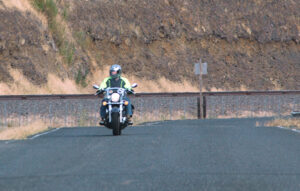 The sharp increase in motorcyclist deaths comes at the close of Motorcycle Safety Awareness Month in May, which is intended to raise public awareness about motorcycles and their safe and proper use among motorcyclists.
Recent motorcyclist deaths have involved collisions with animals on the road and navigating curves. Monitoring speed and using signals while on a motorcycle and wearing necessary protective gear at all times can prevent death and injuries while on the roads. Taking the time to refresh skills and update riding knowledge will help reduce the risk of rider error and lower the chance of crashing.
Improving water safety can include simple steps, such as ensuring children are supervised near water, wearing a life-jacket and avoiding alcohol while boating and swimming. In a recent report, the BC Coroners Service found that between 2015 and 2024, alcohol and/or drugs were determined to be a contributing factor in 40% of accidental drowning deaths.
Additional ways to keep safe include all-ages swimming lessons and learning the different safety risks associated with fresh water and salt water.
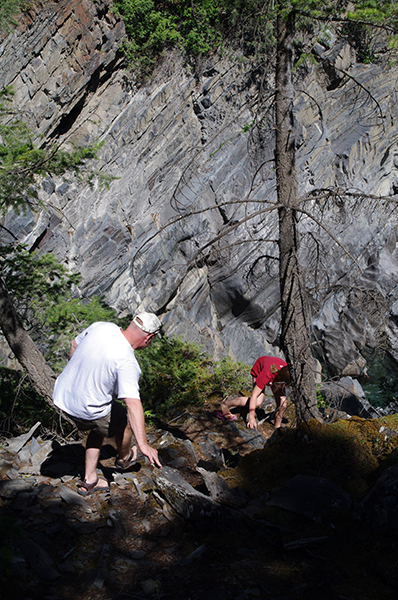 In a new report on hiking/climbing related deaths between 2016 and 2025, the BC Coroners Service notes that hiking/climbing deaths are most common between May and September, with a peak in the month of July.
The most common event leading to death was a fall. When planning a hiking or climbing trip, research ahead of time and let other people know about plans and return times. Avoid going off trail, getting too close to steep edges, or hikes/climbs that may be too difficult or long, dress and equip yourself appropriately for the elements and always pack enough food and water.
Other countries are already experiencing early and intense heat waves and heat-related death reports. B.C. will see warmer days ahead, and it is vitally important to take early safety precautions.
During extreme heat, certain people are more vulnerable than others and require more support and preparation, especially if there is no access to air conditioning. This includes older adults, people who live alone, people with pre-existing health conditions or mental illnesses, such as schizophrenia, depression or anxiety, people with substance-use disorders or who are marginally housed, people with limited mobility, people who are pregnant, and infants and young children.
Stay alert to the symptoms of heat stroke and research local cooling centres wherever possible.
“Warmer weather brings more opportunities for adventures, and more risks,” Baidwan said. “Remember to put safety first to avoid preventable tragedies. Enjoy a healthy, safe summer in B.C.”
Between 2016 and 2026, motorcyclist deaths have fluctuated between March and May, with 2026 already seeing a peak of 14 deaths, almost triple that amount recorded last year:
In 2025, there were 36 drowning deaths between June and August, accounting for 39% of accidental drowning deaths.
e-KNOW file photos