Home »
Input sought on watershed plan for Goat River
The B.C. government, yaqan nuʔkiy (Lower Kootenay Band) and Regional District of Central Kootenay (RDCK) are collaborating on recommendations to address water scarcity in the Goat River watershed.
Members of the public are invited to take a survey and attend sessions to learn more about the planning process and provide input to guide long-term approaches to water supply and ecosystem health in the area
The survey is available until August 1.
People will also have the opportunity to learn more about the planning process and share their input during an in-person session at the Goat River at Riverside Wilderness Park on Friday, July 24, 9:30-11:30 a.m., followed by a drop-in at the Creston and District Community Complex, 1-3 p.m.
There will also be online opportunities hosted through the RDCK’s engagement platform. A series of targeted engagement sessions will be held with key sectors, such as forestry and agriculture, in addition to the engagement opportunity. All water licensees in the planning area will also receive formal notification and be engaged in the process as required by law.
Feedback gathered from the survey, in-person sessions and other engagements will help inform recommendations.
The Goat River Watershed Collective Conversations Working Group brings together representatives from the province, yaqan nuʔkiy and the RDCK. The working group will serve as a recommendation-making body, developing joint recommendations for consideration by yaqan nuʔkiy leadership, the RDCK board of directors and provincial ministries. Decision-making authority will remain with each partner organization.
The goal is to develop a set of joint recommendations by October 2026. Outcomes and updates will be shared publicly as the work progresses.
The working group will operate in accordance with the principles of the Declaration on the Rights of Indigenous Peoples Act and the United Nations Declaration on the Rights of Indigenous Peoples. Participants have committed to recognizing Indigenous knowledge and science as valid sources of information and to respecting yaqan nuʔkiy cultural protocols and governance structures throughout the process.
 A What We Heard Engagement Report captures what was heard through engagement carried out in 2025 and into early 2026. It is also available through RDCK’s public engagement website. Input gathered through the processes will contribute to the working group’s discussions about watershed values and the desired future state of the Goat River watershed.
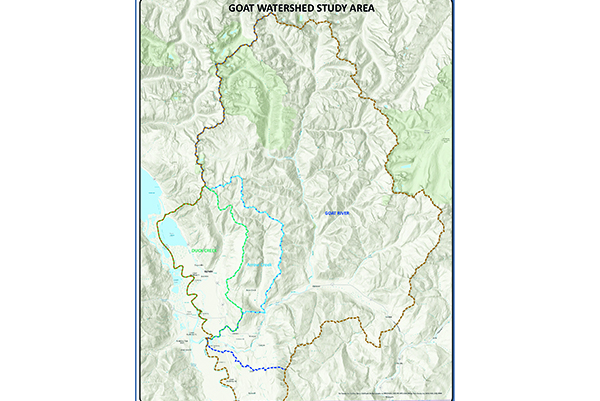
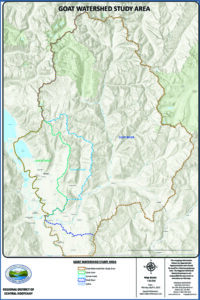
The Goat River watershed includes the broader drainage area encompassing Arrow Creek, Duck Creek, portions of the Creston Flats and reaches to the Canada-United States border, including the communities of Lister and Canyon.
The watershed has experienced recurring seasonal low-flow conditions, with some years approaching near-zero flows in parts of the system. These conditions have affected domestic water supplies, agricultural operations and aquatic habitat. Community engagement conducted over the past two years identified water scarcity as a top concern and highlighted support for collaborative action among governments and local partners, a joint media release noted.
“Water in the Goat River watershed supports communities, agriculture, ecosystems and local livelihoods. By bringing all voices together, we can build a shared understanding of the challenges facing the watershed and develop solutions that support people, the environment and future generations,” said Randene Neill, Minister of Water, Land and Resource Stewardship.
“Water in the Goat River Watershed supports all beings in communities, on farms and within aquatic ecosystems. By bringing everyone to the table, we work toward our collective goals to support and protect a healthy watershed,” said Aimee Watson, RDCK board chair.
yaqan nuʔkiy Nasukin (Chief) Jason Louie added: “Water has always been central to who we are and how we care for this land. This working group is an opportunity to bring yaqan nuʔkiy knowledge and values into decisions about the Goat River watershed in a way that honours our responsibilities as stewards. We look forward to working alongside our partners toward a future where the health of the water and the health of our community are understood as one.”
e-KNOW