Home »
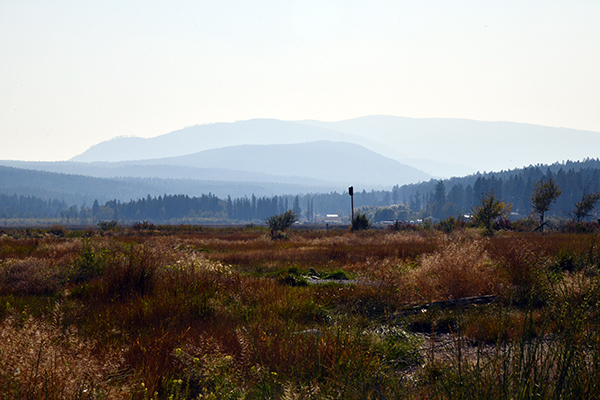
Air quality alert covers entire southeast
Environment Canada this morning (July 24) issued an air quality alert warning of smoky skies that covers the entire East Kootenay, as well as Creston and Golden areas.
Smoke is causing or expected to cause poor air quality and reduced visibility over the next 24-48 hours.
During a wildfire, smoke conditions can change quickly over short distances and can vary considerably hour-by-hour. Monitor the situation for any wildfires near your area at EmergencyInfoBC.
Follow all emergency announcements relevant to your location.
Actions you can take for regions under yellow warnings:
Exposure to smoke can affect your health. Postpone or reduce strenuous outdoor activities until the warning has ended. Spend time indoors in a space with cleaner air.
Some people are more likely to be negatively impacted by smoke. This includes people with lung and heart conditions, pregnant individuals, infants and young children, people aged 65 and older, and anyone whose health is affected by a chronic condition or acute illness.
During smoky conditions: Follow your common sense; Stop or reduce your activity level if breathing becomes uncomfortable or you feel unwell. Stay cool and drink plenty of fluids. Carry any rescue medications with you at all times. Make sure that children and others who cannot care for themselves follow the same advice.
Monitor your symptoms; Different people have different responses to smoke. Mild irritation and discomfort such as eye, nose and throat irritation, phlegm production, runny nose, headaches or mild cough are common, and usually disappear when the smoke clears.
More serious but less common symptoms include wheezing, chest pains or severe cough. -People with asthma or other chronic illness should follow any personal care plans designed with their family physicians.
If you are unsure whether you need medical care, call HealthLink BC at 8-1-1.
If you are experiencing difficulty in breathing, chest pain or discomfort, or a severe cough, contact your physician, walk-in clinic, or emergency department.
If you are having a medical emergency, call 9-1-1.
Tips to reduce your smoke exposure
Smoke levels may still be elevated indoors, so stay aware of your symptoms even when you are indoors.
When indoors, keep windows and doors closed. If it is hot, prioritize keeping cool.
Protect your indoor air from wildfire smoke. Use a clean, good quality air filter in your ventilation system and/or a certified portable air cleaner that can filter fine particles.
Do-it-yourself air cleaners may also be used if other options are unavailable.
e-KNOW file photo
e-KNOW