Home »
B.C. reservists’ leave aligned with national standards
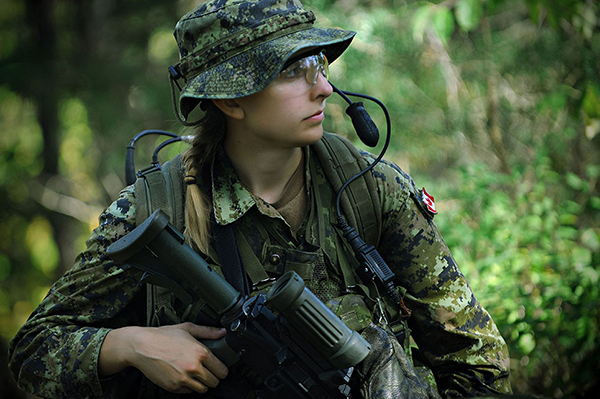
Canadian Armed Forces reservists throughout B.C. will now have access to job-protected military training leave, aligning B.C.’s leave provisions with national standards.
British Columbia first incorporated military-leave provisions for reservists in labour legislation almost 20 years ago. This has helped deploy hundreds of reservists to support the provincial and national response to emergencies in recent years.
Since 2017, more than 1,000 B.C.-based reservists have been deployed within the province in response to emergencies, including the COVID-19 pandemic, floods and forest fires.
“We owe our gratitude and respect to service members who risk their lives to protect our country and support our communities,” said Jennifer Whiteside, Minister of Labour. “Reservists in B.C. step up when their service is most needed and they deserve peace of mind while fulfilling their duties. We stand strong with our reservists and with Team Canada as we work together to make these opportunities available to more British Columbians, ensuring we have a reserve force ready to meet the challenges of an ever-changing world.”
“Military reservists make an important contribution to our province and our country, balancing careers and family responsibilities with service in the Canadian Armed Forces,” said Darlene Rotchford, parliamentary secretary for armed forces development and veterans affairs. “These changes will give reservists greater flexibility to train and answer the call to serve, while staying connected to their careers and communities here in B.C. When we support reservists, we’re also strengthening the workplaces and communities that benefit from their skills, leadership and experience.”
The amendments to the regulation allow reservists to take as long as 24 months of leave within a 60-month period for:
* military skills training;
* pre-deployment or post-deployment activities, and deployments for Canadian Armed Forces operations.
Previously, the entitlement to leave for training was a maximum of 20 days annually.
Deployments in Canada related to national emergencies will continue to be exempt from the 24-month limit.
Under the Employment Standards Act, the right to reservists’ leave is available to all eligible employees regardless of how long they have been employed. Employees must provide their employer with at least four weeks’ advance notice of their upcoming training or deployment activities, unless they are deployed on short notice, then notice must be provided as soon as possible.
These amendments will contribute to the Canadian Armed Forces recruiting and retention efforts for Reserve Forces in:
* the Royal Canadian Navy;
* the Canadian Army, including the Canadian Rangers;
* the Royal Canadian Air Force.
“A more resilient Canada is better positioned to defend its sovereignty, support allies, withstand shocks, and recover quickly from disruption,” said Rear-Admiral Michael Hopper, Chief of Reserves, Canadian Armed Forces. “Employer support is not secondary to Canada’s defence. It is foundational. By supporting reservists, the B.C. government is investing in its own people, strengthening its small and medium-sized businesses, and directly contributing to Canada’s safety and resilience.”
Canadian Armed Forces reservists participate in a wide range of missions, including:
* operations in the Arctic;
* international missions, such as NATO operations and defence co-operation in the Indo-Pacific region;
* response to natural disasters in Canada, often within their local communities.
B.C. is home to approximately 3,000 reservists (i.e., part-time sailors, soldiers and aviators in Canada’s Reserve Force) who support Canadian Armed Forces operations both at home and abroad.
Canadian Armed Forces photo
e-KNOW