Home »

December ranks among riskiest months for drivers
By Road Safety at Work
Holiday traffic, winter conditions, and busy schedules increase risk on B.C. roads
One of the most dangerous things Kootenays residents and other British Columbians will do this holiday season is something many take for granted: driving.
ICBC statistics for the last five years show that December has the highest number of reported crashes in B.C., averaging about 37 per hour. WorkSafeBC statistics indicate that December has the second-highest number of accepted motor vehicle incident time-loss claims.
“December brings together several factors that can increase driving risk,” said Trace Acres, spokesperson for Road Safety at Work’s Winter Driving Safety campaign. Winter weather, holiday traffic, less daylight, and the pressure to get everything done can create challenging conditions even for experienced drivers.
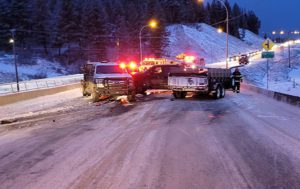
The warning comes as national Safe Driving Week begins December 1.
Snow and ice aren’t the only concerns. Heavy rain can reduce visibility and traction, while fog can make it difficult to judge distances. Black ice can form even when the pavement appears clear.
As the days shorten, more morning and late afternoon trips are taking place in darkness. Drivers need to be especially alert for pedestrians, cyclists, roadside workers, and other road users.
Holiday shopping, seasonal celebrations, and family visits mean more traffic and more people travelling on less familiar routes. Busy schedules can also lead to drivers being distracted, and feeling tired or rushed.
5 ways to stay safe this December
In poor winter conditions, Road Safety at Work advises drivers to postpone or cancel trips when possible. If driving is essential, drivers can take steps to help keep themselves and their passengers safe. These include:
- Slowing down and leaving more space between the vehicle in front of you. Reduce your speed to match conditions. Leave at least four seconds of following distance on highways.
- Planning ahead and avoiding rushing. Check your route on ca, monitor weather reports, allow extra travel time, and be prepared to postpone travel when conditions are unsafe.
- Preparing your vehicle for winter. Use winter-rated tires with at least 3.5 mm of tread depth. Check lights, wipers, and washer fluid, and carry an emergency kit.
- Making sure you can see and be seen. Use headlights and tail lights at all times. Keep windows, mirrors, and lights clear of frost, snow, and dirt.
- Staying alert and focused. Avoid driving when tired, put your phone away, and never drive while impaired by alcohol or drugs.
Acres adds that while good planning and good equipment are essential for winter conditions, they don’t make up for unsafe driving decisions. “Getting to your destination safely has to be more important than getting there quickly.”
Employers have responsibilities for work-related driving
Employers are responsible for assessing work-related driving risks and taking steps to manage the risk and protect workers. The responsibilities apply whether workers drive full time, part time, or only occasionally, including when personal vehicles are used on the job.
Employer responsibilities include ensuring drivers and vehicles are prepared for winter conditions, planning safe routes and schedules, and establishing procedures for delaying or cancelling trips when necessary.
“Employers can help prevent collisions by ensuring workers have enough time to travel safely and by putting clear policies and procedures in place to cancel or postpone trips when road or weather conditions are unsafe,” said Todd McDonald, Head of Prevention Services at WorkSafeBC. “Getting workers to their destination safely should always be the priority.”
For more winter driving safety tips and resources, visit RoadSafetyAtWork.ca/Winter.
Statistics
During the five-year period from 2021 through 2025, December averaged:
- 878 accepted WorkSafeBC motor vehicle incident time-loss claims.
- 27,572 crashes reported to ICBC.
December crashes reported to ICBC
| Region | Average number of December crashes reported to ICBC 2021-2025 |
| Lower Mainland (includes entire southwest corner of mainland B.C., from Pemberton to Boston Bar, and Fraser Valley, Greater Vancouver and southern Sunshine Coast) | 17,825 |
| Southern Interior (includes southern third of the province, including the Kamloops area, Okanagan and Kootenay regions, as far west as Boston Bar and Lillooet) | 4,111 |
| Vancouver Island (includes Gulf Islands and Powell River). | 3,694 |
| North Central (includes the central Interior as far south as 100 Mile House, the Peace River district, Prince Rupert and Haida Gwaii, and all points north) | 1,805 |
Source: Quick Statistics – Crash and casualty crashes | Tableau Public
e-KNOW file photos