Home »
Regional communities deserve outcomes, not excuses
By Stan Chung, PhD
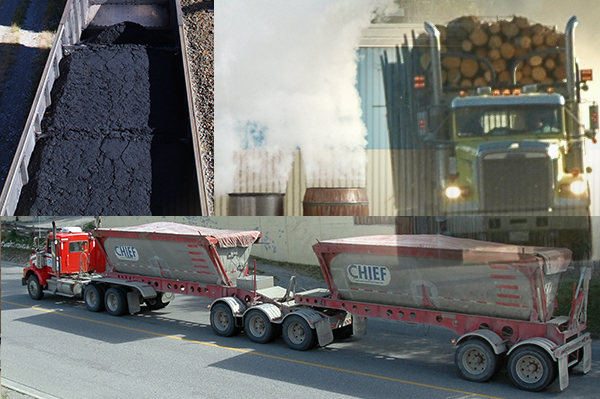
Every day, the wealth of British Columbia leaves regional communities on highways, railcars, transmission lines, fibre optic cables, and the backs of working families.
 Every day, regional families leave those same communities to access services that should already be here.
That is the contradiction we live with.
The timber is harvested here. The minerals come from here. The energy is produced here. The tourism economy depends on places like ours. Governments speak proudly about resource development, productivity, and nation-building.
But when someone gets cancer, they may still have to drive six hours to Kelowna for treatment.
When a family needs specialized care, they often leave their home, work, school, Elders, neighbours, and support systems behind.
When the Kootenays largest regional school ages beyond its useful life, generations of students are told to wait.
In Cranbrook, Mount Baker Secondary School has needed replacement for more than 20 years. The need is not disputed. The delay is.
This is not a local complaint. It is a governing failure.
Regional communities are too often treated as places of extraction, not places of return.
Our labour, land, taxes, resources, and sacrifices help sustain the province and the country.
But the benefits of that prosperity are too often measured somewhere else, announced somewhere else, and felt somewhere else.
Governments count dollars spent. Communities count years waiting.
Governments report outputs. Communities live outcomes.
A funding announcement is not the same as fairness. A dashboard is not the same as dignity.
A strategic plan is not the same as a child learning in a safe, modern school or a cancer patient receiving treatment closer to home.
Regional British Columbia is not asking for charity. We are asking for reciprocity.
If our communities help build provincial and national wealth, then provincial and national investment must be visible in our communities: in health care, schools, housing, transportation, food security, Indigenous partnership, and local capacity.
The question is not whether Ottawa or Victoria can point to programs, grants, or announcements.
The question is whether communities like ours are becoming stronger because government exists.
After decades of waiting, many regional residents are asking something simpler and harder:
How much more begging will it take before our sacrifices are finally felt?
– Stan Chung is a consultant and writer living in Cranbrook. He is a 2026 Governor General’s laureate.