Home »
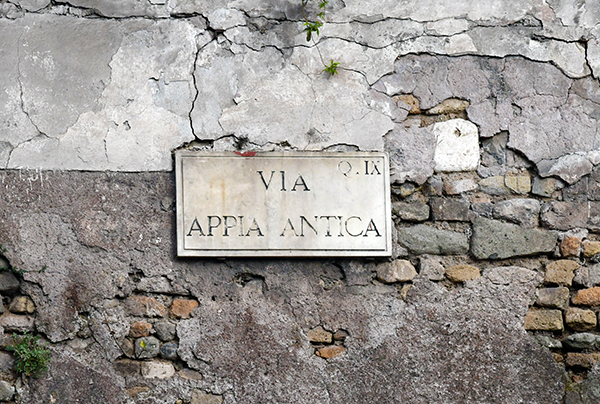
The Queen of the Long Roads
Road Trippin’ – The Appia Antica (Appian Way), Rome, Italy
By Ian Cobb
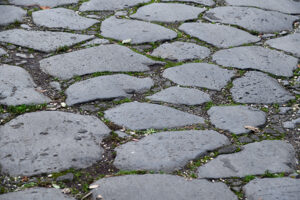 Once I knew we were walking along the cobblestones of the Appia Antica (Appian Way) I tried to imagine corpse-clad crosses lined alongside it every 30 metres, stretching into the distance. The price paid by about 6,000 gladiators for following rebel Spartacus in 71 BC, all crucified along 180 kilometres of the Via Appia between Capua and Rome.
The Appian Way was 241-years-old at that time.
Imagine the stories a 2,300-year-old road could tell? There is a ghost for every step you take. There must be.
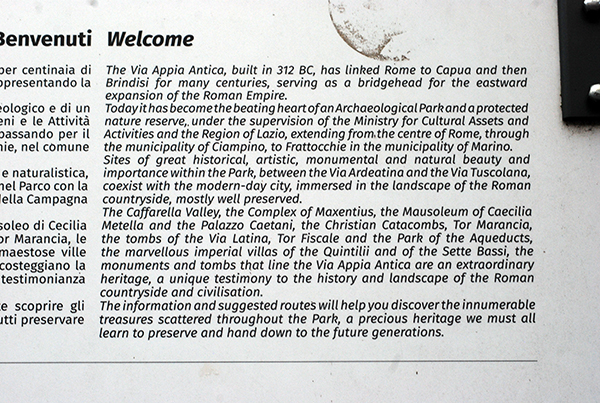
The road began at the bequest of censor Appius Claudius Caecus in 312 BC due to the massive flow of needed goods between Naples and Sicily and Rome. It was also vital to help quickly move Legions to Samnite War positions.
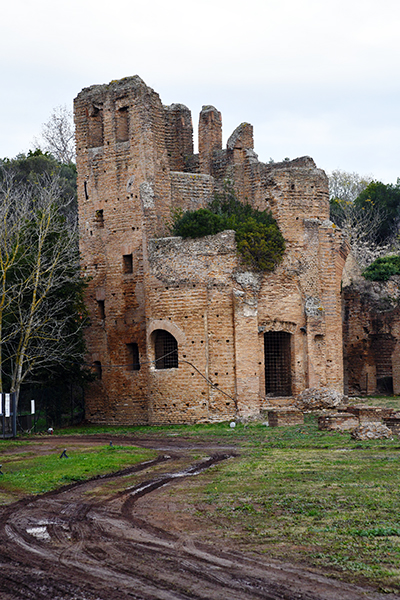
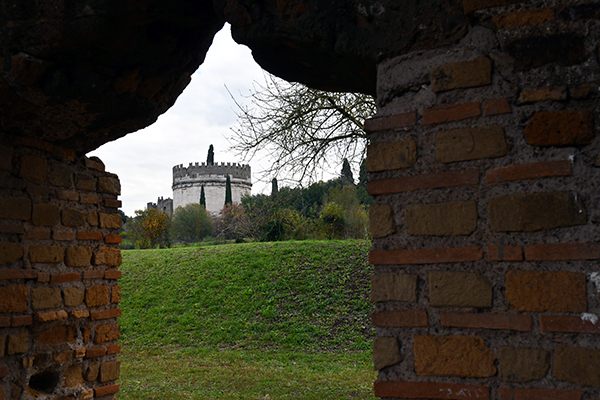
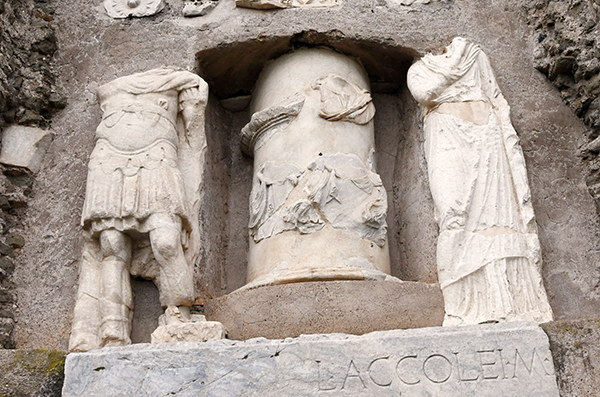
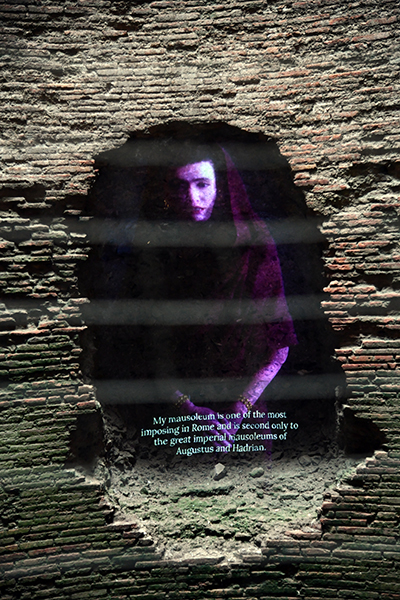
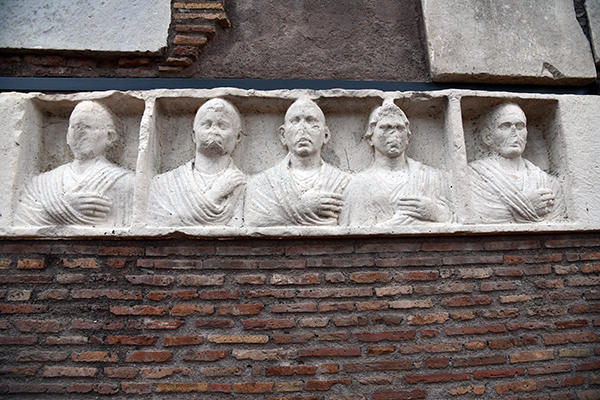
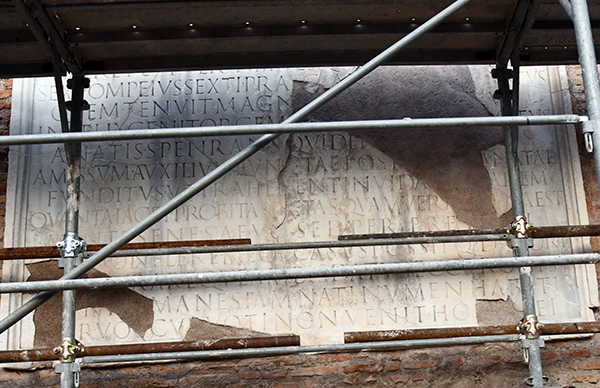
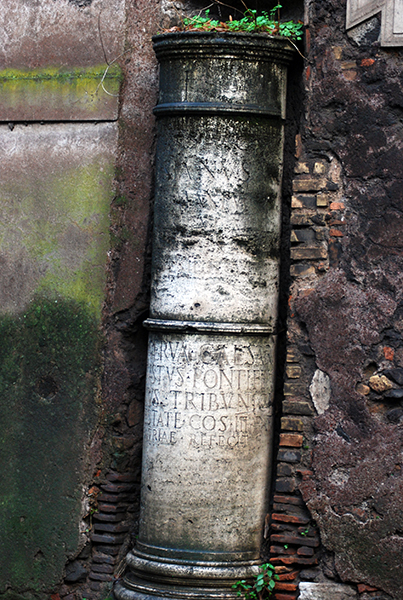
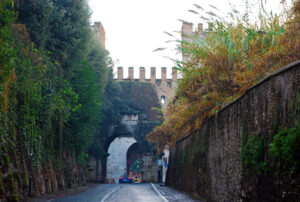 Hiking along the Appian Way inside Parco Archeologico dell’Appia Antica, located running southeast out of south-central Rome, is like a treasure hunt for a history freak. It is lined with mausoleums, tombs and catacombs of all form, from those holding the vastly wealthy and influential to some of Rome’s lowliest subjects.
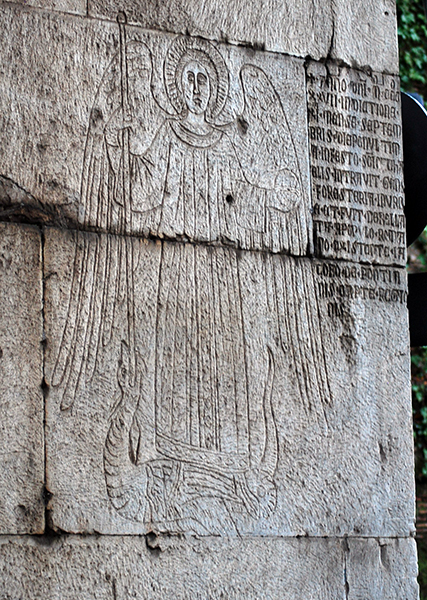
Near the start of the road, along Via di Porta San Sebastiano (right), to the beginning of the Appian Way at the Aurelian Wall gateway, to just a few hundred metres farther along, the cobblestoned passage takes you past historical markers of staggering historical and spiritual significance.
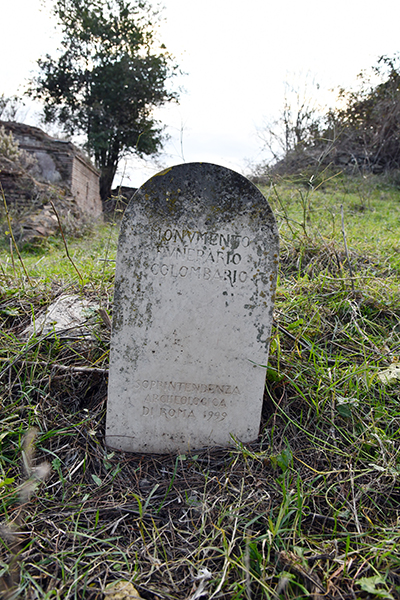
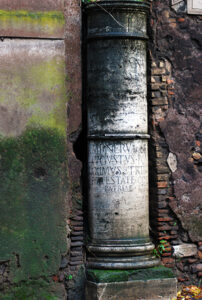 In that short distance you pass the Columbarium of the Scipios, among the most influential builders of ancient Rome, including the famous general Scipio Africanus who defeated Hannibal at the Battle of Zama in 202 BC.
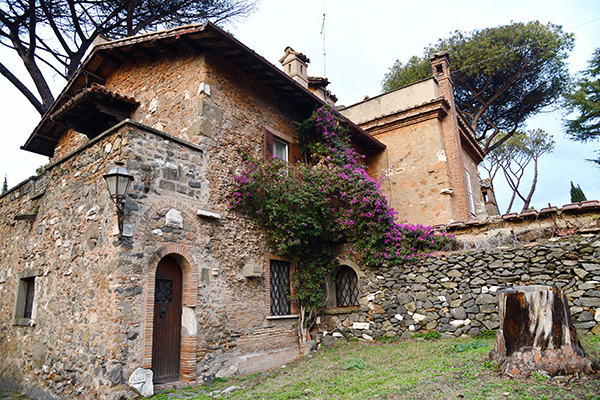
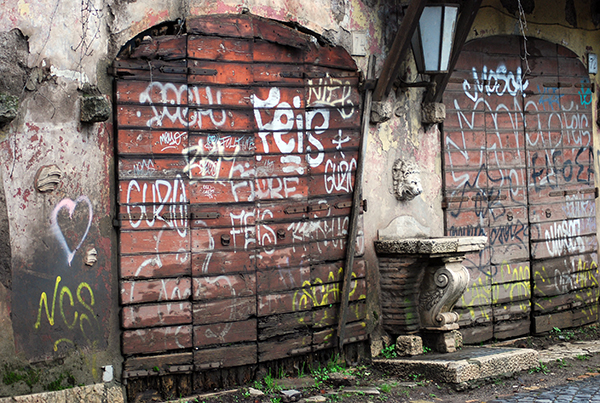
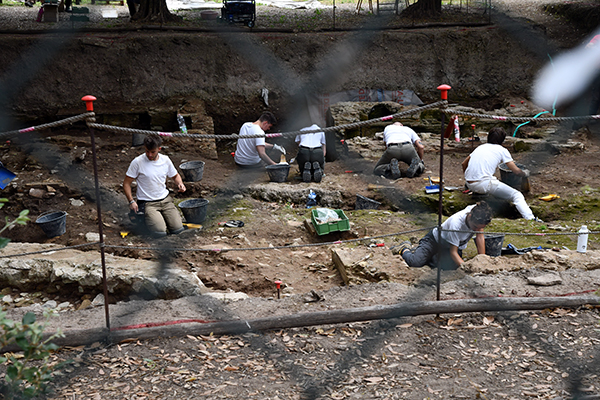
Located all along the Appian Way, between ancient sites and park areas, are private properties – many containing remnants of Rome’s distant past.
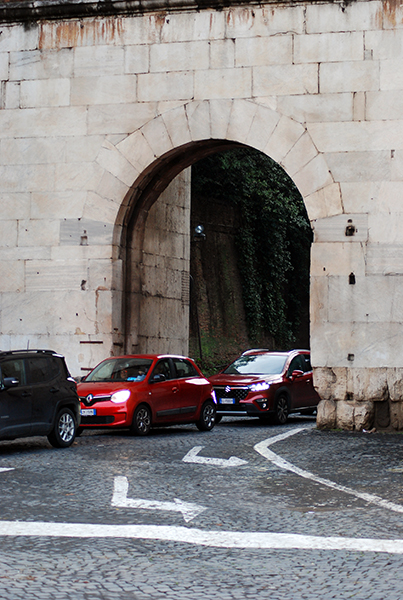
Not far away is the Porto San Sebastiano at the Aurelian Wall, built to keep Rome safe from barbarian invasion – where you can stop and ponder backward in time two millennia and visualize the hustle and bustle of commerce and conquest; patricians and plebeians and freedmen and slaves.
To the right is a marker noting the start of the Appian Way.
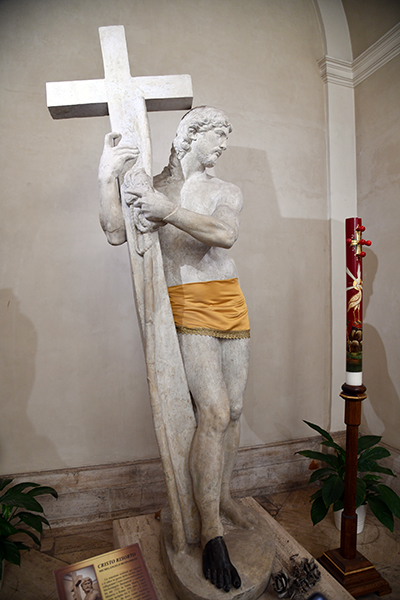
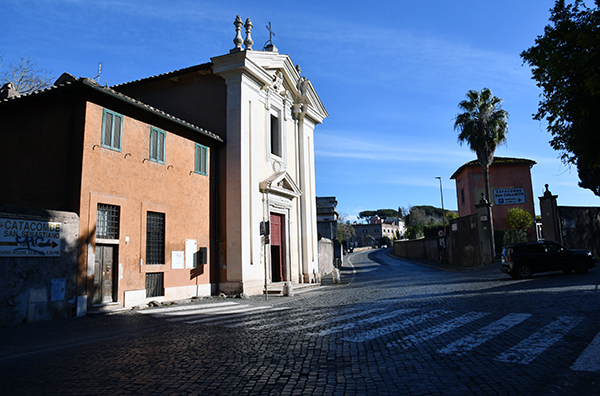 Just past the gate and Arch of Drusus (remnant of an ancient aqueduct), you come upon the Church of Domini Quo Vadis at about the two km mark, and right before the entrance to the Appian Way park system.
 The modest church built in 1637 is situated on the site of a 9th century church built on the location where it is said Saint Peter, fleeing Rome for his life, met a risen Christ and asked him “Domine, quo vadis?” (Lord, where are you going?)
Christ replied, “Eo Romam iterum crucifigi.” (I am going to Rome to be crucified again).
And around Peter turned to be quickly executed by the Romans. And the rest is history. That phrase takes on entirely new meaning in places where so much history has taken place.
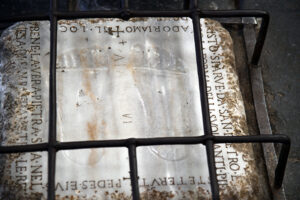
Inside the church is a replica of the alleged footprints of Jesus (above right) – a popular pilgrimage attraction.
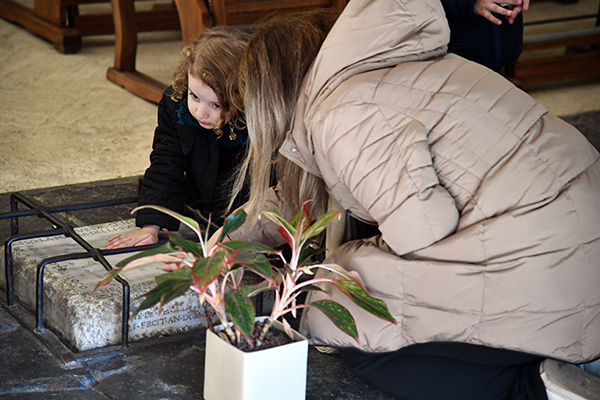 We happened to walk into the church on Christmas Day to see this.
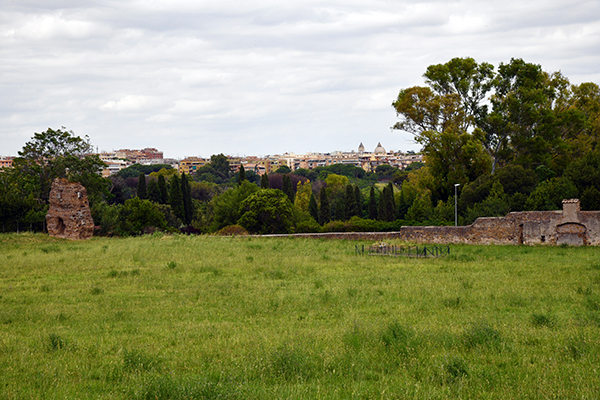
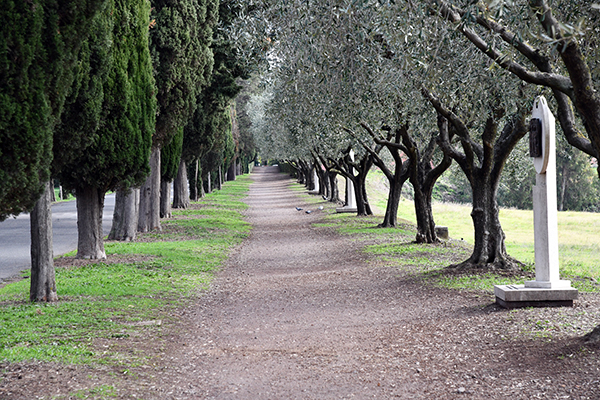 From there the Appian Way gets even more interesting. Stretching 16 km, the Appian Way Regional Park is the second-largest urban park in Europe (after Losiny Ostrov National Park in Russia). It encompasses a protected area of around 4,580 hectares.
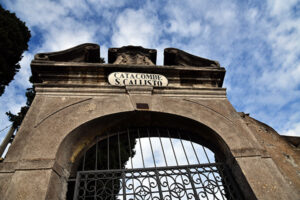 The Road was originally called “Appia longarum… regina viarum” (‘the Appian Way, the queen of the long roads’).
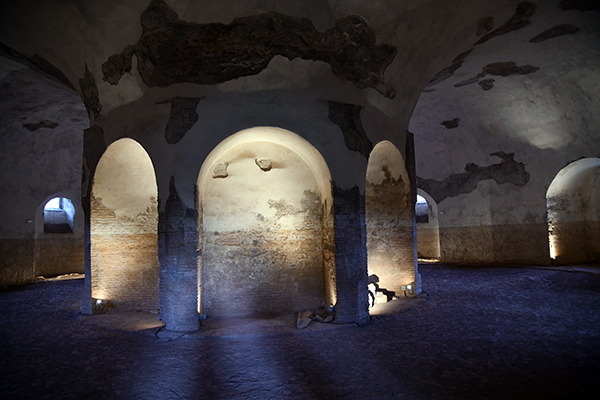
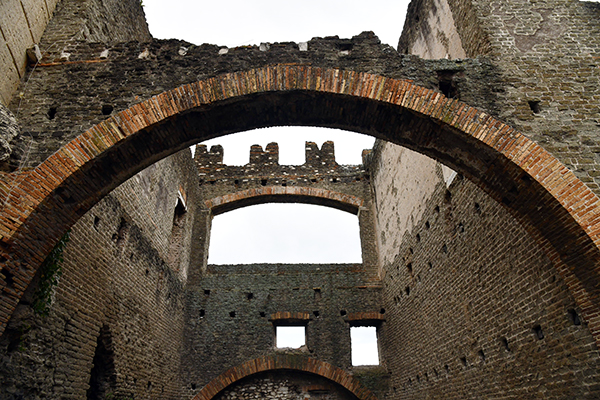
And today a walk along it gives you glimpses into ancient times, with mausoleums, remnants of palaces, small and giant catacombs that once contained the remains of hundreds of thousands of Christians, who had to be buried outside the walls of Rome.
We took a tour of the Catacombs of San Callisto, a 3rd and 4th century AD maze that contained the remains of half a million Christians, among them 16 popes and many martyrs, including St. Cecilia, the patron saint of musicians, luthiers, and singers.
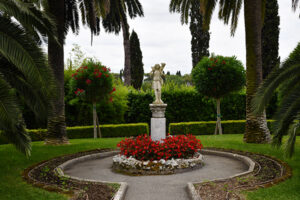 Not far away is the Catacombs of San Sebastiano, named after the martyred soldier. It is said the relics of Saints Peter and Paul were once stored in the location, where the word “catacombs” originated.
Unfortunately, photography is strictly forbidden inside the catacombs.
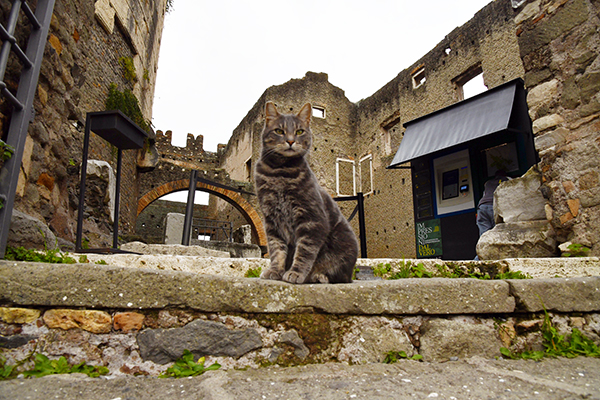
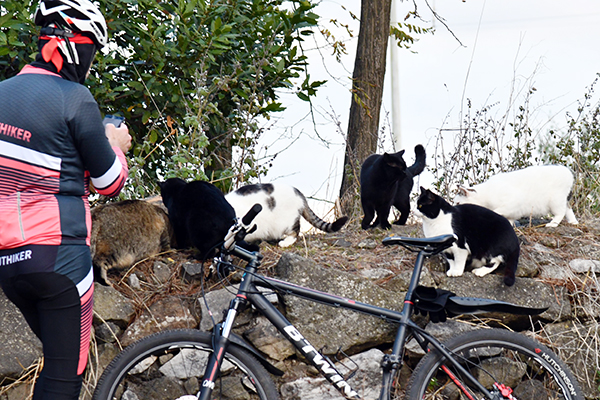
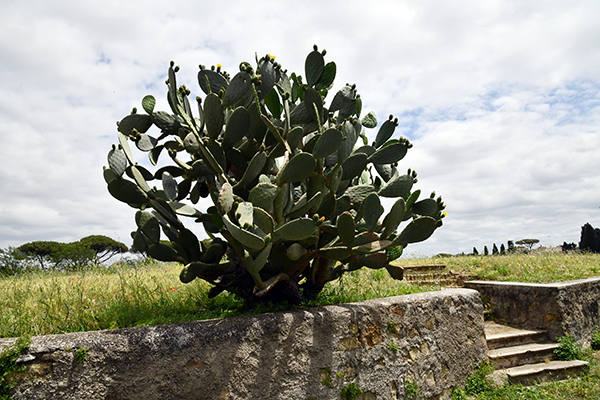
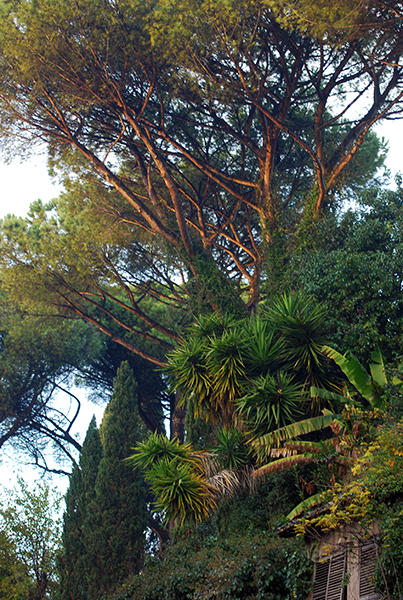
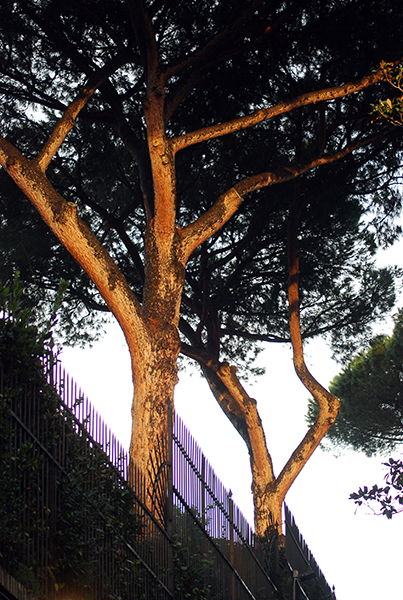
As you meander down the straight-as-an-arrow Appian Way, you pass countless historical markers and sites, much under the shadowy span of Stone (Umbrella) Pines and home to countless cats.
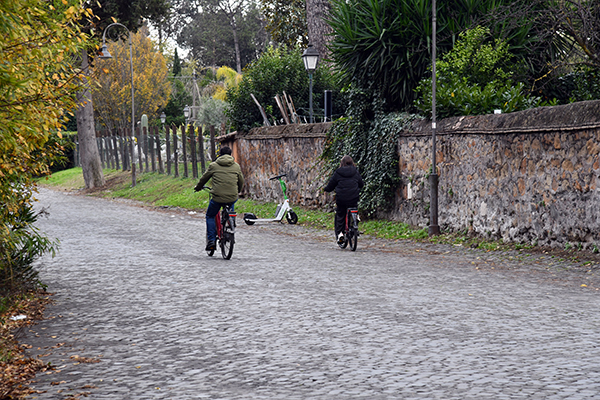
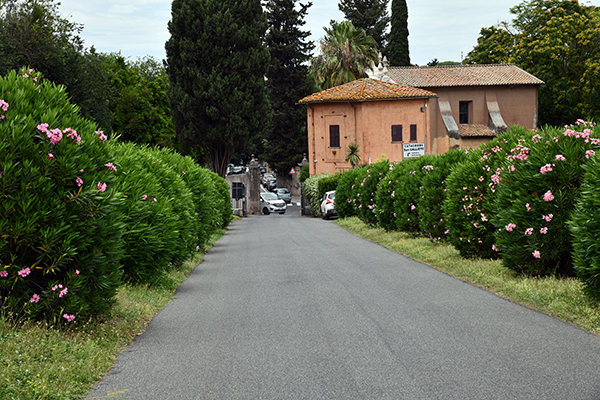
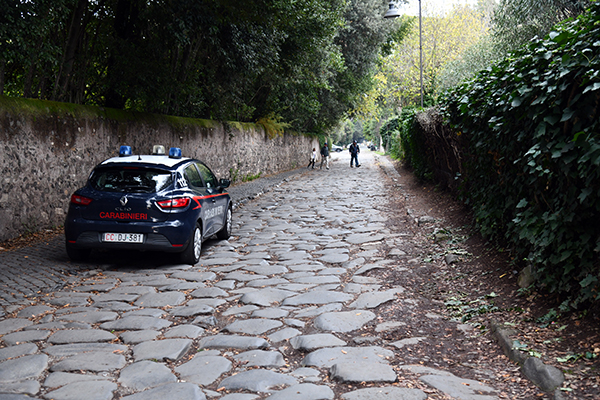 If you plan on walking the Appian Way, know that the first five km or so come with sometimes heavy car and bus traffic. While potable water is commonly found in Rome’s abundant water fountains, it is wise to take water with you on your hike in the Appian Way, especially if you do it in the warmer months.
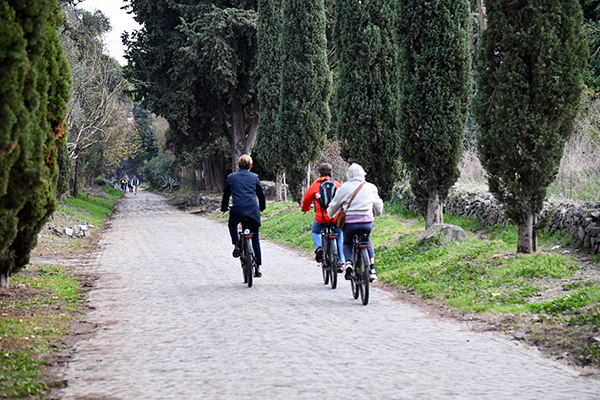
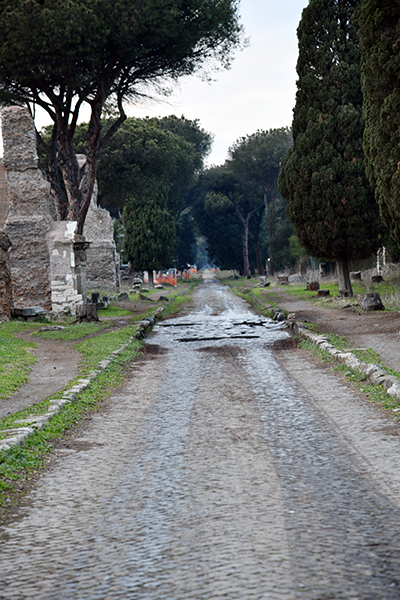
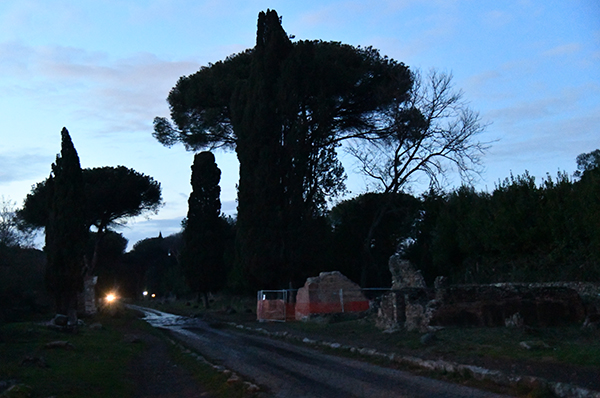 The second time we walked it in December 2025, we ventured too far from our apartment, which was located adjacent to the northern top of the park (Navigatori), before the sun dropped and had to call an Uber for a ride home. Despite being located at a junction of the Appian Way and a busy road that cut through the park (Via di Tor Carbone / Via Erode Attica),our driver came down the Appian Way to get us – led on the by deceptive impishness of GPS.
In the near full moon murk of a Roman December evening, we watched headlights oh so slowly bouncing toward us for what must have been 10 minutes. The cobblestone road is not one to move swiftly down due to deep potholes and sudden upthrust stones that would rip an oil pan wide open or high centre a car.
The driver was not amused when he found us. Sorry pal. She is the queen of the long roads after all.
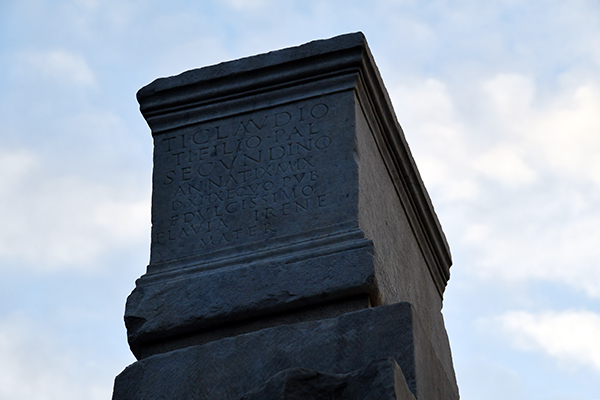
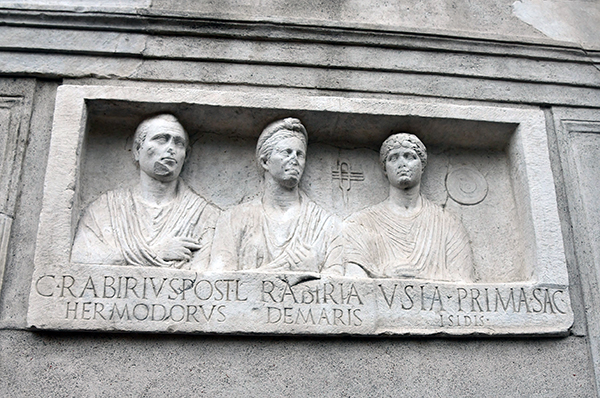
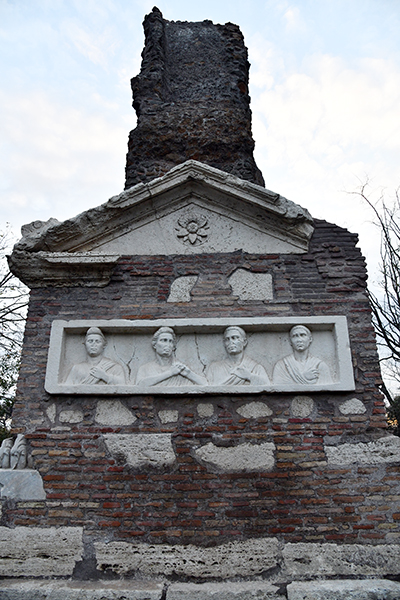 In four separate visits to the Appian Way we have managed to traverse a little over one-third of its distance (as a park). The road still arrows south to Capua and on to the Adriatic Sea at Brindisi, a testament to Roman engineering and a parchment on which the footsteps of history are written.
 Photos by Ian Cobb and Carrie Schafer
The images shown were collected in June 2024 and December 2025