Home »
Adventure Tourism Hub aims to streamline permitting
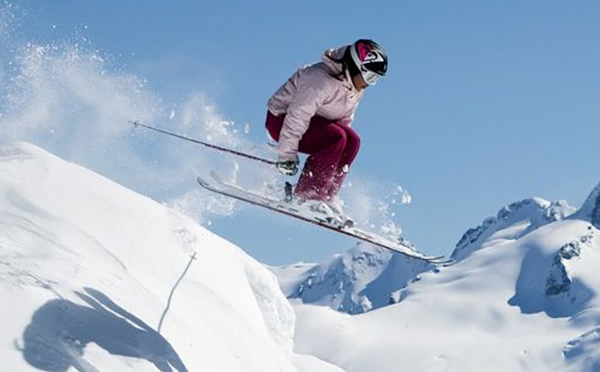
The Ministry of Water, Land and Resource Stewardship recently announced a new Adventure Tourism Hub with the goal of streamlining permitting process and making it easier for businesses to seek land-tenure approval for popular tourism activities.
These include heliskiing, cat skiing, heli-assisted guiding activities, commercial snowmobiling and snowmobile-assisted activities.
“This new approach to adventure tourism permitting supports investment and reflects the importance of tourism as a key part of B.C.’s economy,” said Randene Neill, Minister of Water, Land and Resource Stewardship. “With these and other changes to the permitting process, we are making it easier for businesses to get the permits they need, launch their projects and grow the economy.”
The hub model builds off the work the province has done that has resulted in reduced permit timelines for housing, connectivity and electrification projects.
Adventure tourism operators have expressed the need for more predictability when it comes to permitting. Tenures for these activities cover large areas. New applications and renewals will now benefit from a dedicated team of experts that will manage these applications from intake to decision.

“HeliCat Canada is very pleased that the Province of B.C. is moving ahead with the Adventure Tourism Hub. This is a pivotal step forward in creating the conditions for investment and operating certainty that supports sustainable adventure tourism and the rural communities and First Nations that rely on it,” said Cranbrook’s Dave Butler, HeliCat Canada’s strategic advocacy co-ordinator.
“We look forward to working with the province to pilot the project with our member businesses.”
The Adventure Tourism Hub is a single point of contact for operators. Under the previous system, applications were handled regionally. Adventure Tourism Hub applications are accepted through FrontCounter BC and routed to a dedicated group that will co-ordinate applications across agencies, liaise with other authorizing agencies and provide applicants one point of contact.
The hub is considered a pilot project at this time with an initial focus on heli-skiing/guiding, cat skiing and guided snowmobiling activities. It will also be a place where new approaches to process and policy will be tested, which will benefit the broader adventure tourism sector, the ministry said in a media release.
“A centralized adventure permitting hub is great news for the B.C. Adventure Tourism Coalition and the industry. It streamlines what has traditionally been a complex process, giving us more consistency and a single point of contact. That means we can spend less time navigating paperwork and more time doing what we do best – delivering safe, high-quality experiences for our guests and supporting local communities,” said Kathy MacRae, Adventure Tourism Coalition co-chair.
“B.C.’s natural beauty and access to the outdoors are a major reason visitors choose our province,” said Anne Kang, Minister of Tourism, Arts, Culture and Sport. “With this new hub, businesses will more effectively be able to offer unique B.C. adventures, drawing more visitors, creating good jobs and growing the economy. This is another big step towards delivering the Look West Tourism Sector Action Plan goal to grow tourism in B.C.”
Tourism Industry Association of British Columbia (TIABC) CEO Amber Papou added: “Removing barriers for adventure tourism operators is a positive step for businesses and the tourism sector overall. When business owners and investors have clarity on processes, they can invest and grow with confidence. TIABC is pleased to see the province listening to the needs of the industry and working across government to help create the right conditions for tourism industry growth.”
Canadian Motorized Backcountry Guides Association board member and lead guide Iain Stewart-Patterson stated: “The Canadian Motorized Backcountry Guides Association welcomes the launch of the Adventure Tourism Hub. This important and timely initiative marks a significant step forward for the snowmobile and snowbike guiding industry. By creating a centralized process, it will help drive growth, attract investment and strengthen rural communities – supporting both infrastructure development and the people in the industry.”
Government of B.C. photo
e-KNOW