Home »
Invasive of the Month
By East Kootenay Invasive Species Council
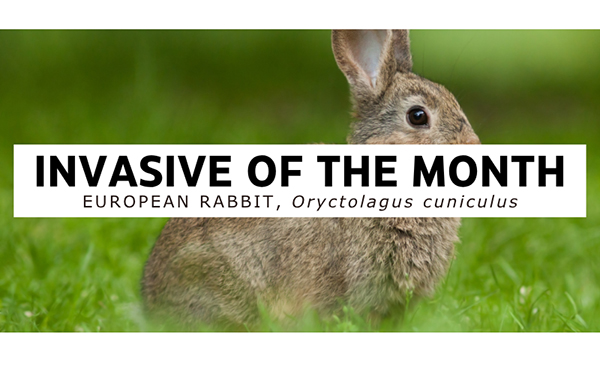
European rabbits are native to Europe and Northern Africa and have been introduced to every continent except Antarctica. They were originally introduced in B.C. by settlers and were kept as pets or farmed for their meat and fur.
European rabbits are herbivores and compete with native species for food and habitat. They can prevent regeneration of B.C.’s native shrubs and trees. They build underground habitats called warrens that cause land degradation and increase erosion.
European rabbits can live up to 10 years in captivity. European rabbits are designated as a Regional Containment/Control species by the BC Provincial Priority Invasive Species List.
 IDENTIFICATION:
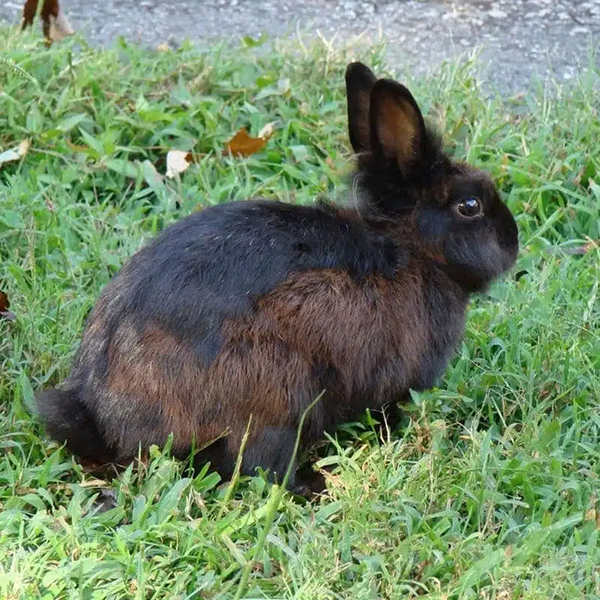
European rabbits in B.C. are descended from domestic rabbits, and so have the same variety in size and fur colour as rabbits sold in pet stores. They may be white, black, brown, or a combination of colours.
IMPACT:
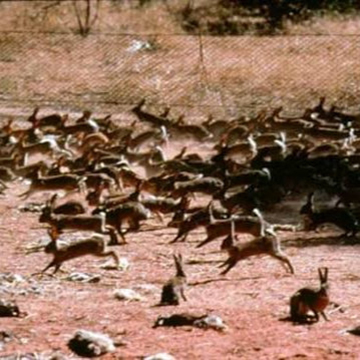 Agricultural: Rabbits consume a wide variety of crops, garden plants, and young trees, causing damage to agricultural fields, gardens, landscaping, and newly planted vegetation. Their grazing and browsing can reduce crop yields and interfere with the establishment of desirable plants.
Ecological: Rabbits consume large quantities of native vegetation, particularly during early spring, which can limit the natural regeneration of native trees, shrubs, and other plants. Their extensive underground warrens can contribute to soil erosion and land degradation, while competition for food and shelter can reduce resources available to native herbivores. High rabbit populations can also increase predation pressure by providing an abundant food source for predators, potentially altering local predator-prey dynamics.
Social/Recreational: Rabbits can cause costly damage in urban and recreational areas by burrowing beneath sports fields, parks, road shoulders, and other maintained spaces. Their burrows can create uneven ground, erosion, and tripping hazards, while damage to landscaping and young trees can result in ongoing maintenance and repair costs. Increased rabbit abundance may also support higher populations of predators in areas where rabbits are a readily available food source.
 East Kootenay Invasive Species Council photos
The East Kootenay Invasive Species Council works to minimize the threat of invasive species that impact the environment, the economy and human health in the East Kootenay region of B.C., and we couldn’t do it without you! as a non-profit, we rely on grant funding and the generous support of our community to operate. Your donation will help us continue to protect the East Kootenay from invasive species. Donate here.