Home »
A cycling future built on stewardship and shared prosperity
By Powder Matt Mosteller and Bruce Murdoch
Cranbrook and Kimberley have an opportunity to strengthen a visitor economy that supports local businesses, jobs, community events, recreation facilities, and public amenities.
The goal should be thoughtful, well-managed growth: welcoming people to experience our region while protecting the forests, wildlife, watersheds, access, and community character that residents and visitors value.
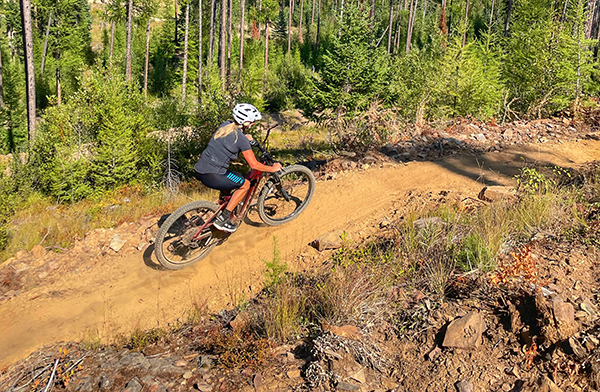
Our region already has a strong foundation. Cranbrook’s Community Forest, the NorthStar Rail Trail connecting our communities, established trail networks, scenic gravel roads, skills facilities, and growing e-bike and adaptive-recreation opportunities are shared public assets. They enrich daily life for residents and give visitors a reason to stay longer, spend locally, and return.
Stewardship supports tourism
A healthy visitor economy depends on healthy landscapes, quality trails, reliable access, good infrastructure, and a community that continues to welcome guests. Stewardship is not a barrier to tourism; it is the foundation of long-term tourism success.
Our forests and trails are valued for recreation, wildlife habitat, watersheds, cultural significance, and quiet enjoyment. They are also part of what makes the East Kootenay a special place to visit.
We should focus promotion, maintenance, and carefully planned investment on areas that can sustain use, while protecting sensitive habitats, cultural areas, and quiet-use spaces. This means working with the Ktunaxa Nation and ʔaq̓am, trail organizations, land managers, local governments, businesses, residents, and tourism operators to identify appropriate opportunities and provide the maintenance, restoration, signs, safety information, and visitor facilities that support responsible use.
Tourism benefits our communities
Tourism already supports local accommodation providers, restaurants, retailers, guides, bike shops, events, arts and culture, transportation, and many other businesses. Visitor spending helps strengthen the local economy and contributes to the tax base and tourism-related funding that support amenities, infrastructure, and visitor services.
B.C.’s tourism sector generated $23 billion in revenue in 2024, contributed nearly $8 billion in real GDP, supported more than 113,000 direct jobs, and paid $5 billion in direct wages. Outdoor recreation contributed another estimated $6.6 billion in real GDP and supported approximately 86,000 jobs. Kimberley’s eligibility for Resort Municipality Initiative funding is a practical example of how a strong visitor economy can help fund tourism infrastructure and amenities that residents enjoy too.
Our objective should be to build on these benefits: more locally owned businesses, more skilled and year-round work, youth training and apprenticeships, stronger bike-repair and manufacturing enterprises, and stable funding for maintenance, restoration, trails, and community facilities.
A broader cycling economy
Mountain biking should be one part of a broader cycling strategy that includes gravel riding, bike touring, family cycling, e-bikes, adaptive recreation, skills development, and safe transportation between Cranbrook and Kimberley.
The NorthStar Rail Trail provides a valuable 26–28 km connection that supports family rides, e-bikes, accessible recreation, commuting, and touring. It demonstrates how cycling infrastructure can serve residents while helping visitors experience the region in a lower-impact way.
KORE Outdoors and the College of the Rockies also offer a larger opportunity: an outdoor economy based not only on recreation, but on repair, prototyping, upcycling, technical training, and small-scale manufacturing. A Canadian Centre of Trail Excellence at the College could bring together students, trail builders, Indigenous knowledge holders, ecologists, municipal staff, land managers, and non-profits to share practical expertise in durable, accessible, community-supported trail design and management.
Working together
Cranbrook and Kimberley can accomplish more together than either community can alone. A joint regional table should include Indigenous partners, both municipalities, the Regional District, trail societies, tourism organizations, land managers, KORE, the College, businesses, workers, youth, and residents.
Its work should be practical: maintain and improve existing networks; protect sensitive areas; create safe connections; support cycling, repair, manufacturing, and training; and report openly on environmental condition, local employment, business benefit, access, and resident satisfaction.
The ambition is not tourism at any cost. It is a strong, welcoming, sustainable visitor economy—one that protects the places people come to enjoy and ensures that the benefits are felt throughout Cranbrook, Kimberley, and the East Kootenay.
Photo submitted
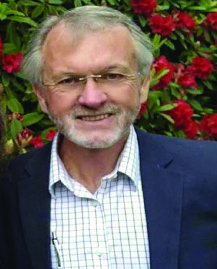
 Powder Matt Mosteller is a City of Kimberley mayoral candidate. Bruce Murdoch is a Cranbrook City Council candidate.