Home »
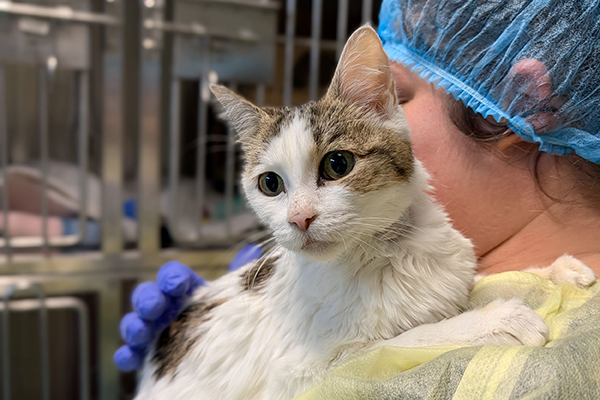
Cat overpopulation a significant issue: BC SPCA
Pet overpopulation has been an increasing concern across the province, especially in rural communities where cats may roam outdoors and reproduce rapidly.
Both the BC SPCA West Kootenay in Castlegar and BC SPCA East Kootenay in Cranbrook have noted significant overpopulation problems in the region and have been inundated with requests to take in a high volume of cats.
The BC SPCA West Kootenay has taken in cats from 12 properties this year so far, totaling 145 cats, with more properties awaiting support. The BC SPCA East Kootenay location has taken in 58 cats from five properties and is also working with other properties.
 These situations can put a strain on the community, as they can create a waitlist to surrender individual animals.
“No one gets a cat with the intention of having 20, but they can breed quickly,” said Danielle Jackman, BC SPCA West Kootenay manager. “We’re seeing a lot of rural properties who started out with two or three outdoor cats, and within a few years they have dozens.”
Female cats can have kittens as young as four months old. Depending on a variety of factors, such as heat cycles, health, and nutrition, a female cat can have two to four litters of kittens a year. The average number of kittens in a litter is three to five.
“We only have so much capacity in our shelters, so we often have to stagger intakes,” explained Angela Mather, BC SPCA East Kootenay manager.
“Most animals coming from these situations are unwell, usually suffering from some form of parasites and upper respiratory infections. By the time they’re healed and ready for adoption – and therefore we have space to take in more cats – the cats who remained on the property might have had more kittens or become pregnant again.”
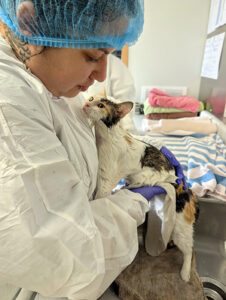 Both centre managers note that volunteer fosters are instrumental in helping save more animals and freeing up shelter capacity, and that they are in desperate need of more fosters at both locations.
While spaying and neutering pets is the best way to manage populations, it’s not always financially possible, which is why the BC SPCA offers a low-income spay/neuter program for those needing financial support.
These programs are made possible thanks to the generosity of local grants and funding, such as the Osprey Community Foundation, Resident Directed (ReDi) Grants provided by Columbia Basin Trust, and the Regional District of East Kootenay (RDEK).
Local vets are also instrumental to these programs, offering their support and partnering with the BC SPCA for these services.
If a property needs support with their animals, the BC SPCA Animal helpline 1-855-622-7722 is open seven days a week from 8 a.m. to 6 p.m., excluding statutory holidays. Those interested in fostering can find out more details and apply online.
BC SPCA photos