Home »
B.C. urges focus on water conservation
Early action needed as drought, water-scarcity risks increase throughout B.C.
The B.C. government is urging people across the province to conserve water over the coming weeks as forecasts suggest much of the province will experience elevated drought conditions that may increase water-scarcity risks.
“Protecting B.C.’s water resources is a shared responsibility, and the actions we take today will help communities, farmers and businesses manage increasing drought pressures,” said Randene Neill, Minister of Water, Land and Resource Stewardship.
“We are working closely with First Nations, local governments, industry and the agricultural sector to support water conservation and long-term water security. By working together and reducing water use where we can, we can help protect fish and wildlife, support farmers who depend on reliable water supplies and strengthen the resilience of our communities.”
People are encouraged to reduce water use wherever possible to help protect local watersheds and reduce the risk of water scarcity. Voluntary reductions in water use, along with favourable weather and rainfall, can play a critical role in maintaining stream flows and reducing pressure on watersheds and aquatic ecosystems.
Recent rainfall and cooler temperatures have improved stream-flow conditions in some parts of the province; however, warm and dry conditions are expected to continue.
Key regions being monitored include:
* the southern coast and southern Interior, where some watersheds remain under significant pressure and drought conditions persist, increasing water scarcity risk;
* parts of Vancouver Island, the Lower Mainland and the southern Interior, where record-low stream flows are being recorded;
* around the Okanagan and Vancouver Island where ecosystems and wildlife significantly rely on a steady, healthy supply of water;
* watersheds where risks to aquatic ecosystems and fish populations are increasing, including the Koksilah River, Tsolum River, Salmon River and Bessette Creek.
Temporary protection orders may be issued as a last resort if voluntary conservation measures are insufficient to restore stream flows and protect vulnerable fish populations, wildlife and watersheds. Decisions are based on scientific evidence and an assessment of how it impacts the local economy, a Ministry of Water, Land and Resource Stewardship media release outlined.
“Water is essential to B.C.’s agricultural sector so farmers can continue to grow crops, produce forage and care for livestock that help feed British Columbians,” said Lana Popham, Minister of Agriculture and Food.
As drought conditions intensify, we are asking everyone to do their part to conserve water so we can help reduce stress on local watersheds and keep more water available to support our food security and wildlife. We will continue working with farmers to strengthen year-round water availability through investments in storage, infrastructure and community projects.”
What to know about drought, water scarcity
Drought in B.C. is measured using a scale from 0 to 5, with 0 being no drought and 5 being the most severe drought. Drought levels show how dry conditions are in each region, not if water scarcity is occurring. Water supply can vary between communities, even within the same region.
A new water-scarcity level system is also being piloted in several regions. It uses a scale of low, moderate and high to show the risk of water scarcity in the watershed. It raises awareness and encourages voluntary action to help prevent water shortages or reduce their impact.
Drought is:
* a natural condition that happens when nature provides less rain or snow than usual;
* measured by comparing current conditions to what is normal for that location;
* caused by climate and weather;
* a condition that can affect large areas, regions or the whole province;
* a potential contributing factor to water scarcity, if it lasts long enough.
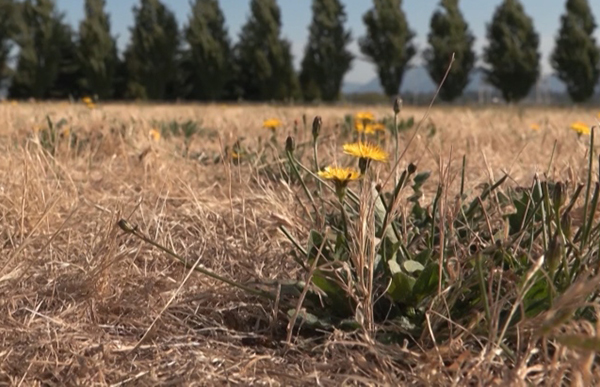
B.C. government photo
e-KNOW