Home »
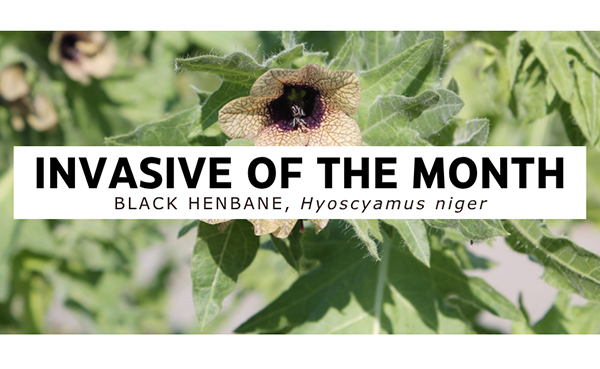
Invasive of the Month
By East Kootenay Invasive Species Council
Black henbane, native to the Mediterranean region, was introduced to North America as an ornamental and medicinal plant. It’s a resilient species that can thrive in various environments and be found in disturbed sites, rangelands, croplands, roadsides, and riparian areas.
Just one plant can produce an astounding 10,000 to 500,000 seeds! These seeds can spread quickly and far. It also produces dense stands that crowd out native vegetation and reduce forage for livestock and wildlife.
Black henbane produces a foul odour and contains toxins harmful to humans and animals if ingested.
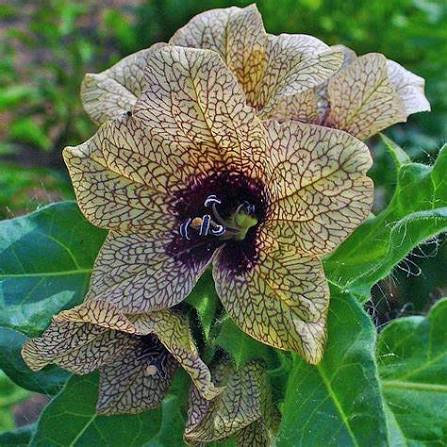 IDENTIFICATION:
Flowers: Funnel-shaped flowers with five lobes are brownish-yellow with distinctive dark purple veins. Flowers bloom along the upper stems.
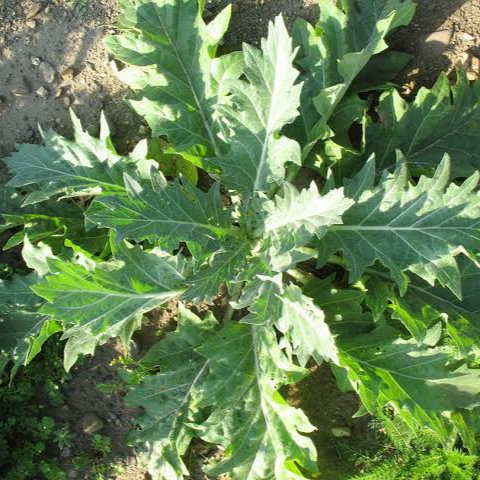
Leaves: Large leaves, up to 20 cm long and 15 cm wide, are arranged alternately along the stem. They have shallowly lobed edges and are covered in fine, sticky hairs.
Stems: Stems are upright, thick, and almost woody, allowing plants to grow up to 1 metre tall.
Other: Black henbane is an annual or biennial plant. All parts of the plant are highly toxic if ingested, and the sticky, foul-smelling foliage helps distinguish it from many other invasive plants. It is commonly found in disturbed sites, roadsides, pastures, and waste areas.
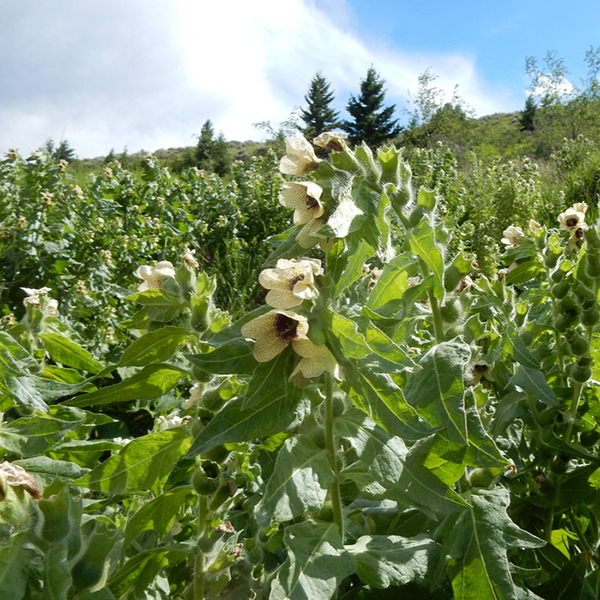 IMPACT:
Agricultural: Black henbane competes with crops and desirable forage species, reducing pasture productivity. While livestock usually avoid the plant because of its foul odour, accidental poisoning can occur when dried plants contaminate hay or feed.
Ecological: Black henbane spreads rapidly by seed, with a single plant capable of producing up to 500,000 seeds that can remain viable in the soil for years. It establishes dense infestations that outcompete native vegetation and other desirable plant species, particularly in disturbed areas.
Social/Recreational: Every part of black henbane is highly toxic to humans and animals. Ingestion can cause severe poisoning, while contact with the sticky, hairy leaves may cause skin irritation. It commonly grows along roadsides, trails, and other disturbed areas, increasing the risk of accidental exposure.
 MANAGEMENT:
Cultural Control: Maintain healthy, dense vegetation and promptly reseed disturbed areas to reduce opportunities for black henbane to establish. In some situations, burning mature plants may help reduce further spread.
Mechanical Control: Wear protective clothing, including gloves and long sleeves, when handling black henbane, as the plant is toxic and can cause skin irritation. Hand-pull or dig small infestations, ensuring the entire taproot is removed at least 5 cm (2 inches) below the soil surface. If seed capsules are present, carefully bag and dispose of them to prevent seed spread. Cutting plants before seeds mature can help prevent seed production, but avoid mowing mature plants, as this can scatter seeds.
Chemical Control: Herbicides containing glyphosate, dicamba, picloram, or metsulfuron can be effective, particularly when applied to plants in the rosette or early bolting stage. We recommend that herbicide applications be carried out by a person holding a valid BC Pesticide Applicator Certificate. Before selecting and applying herbicides, always read and follow the product label, application rates, and all applicable municipal, regional, provincial, and federal regulations, while considering site-specific management objectives.
 East Kootenay Invasive Species Council photos
The East Kootenay Invasive Species Council works to minimize the threat of invasive species that impact the environment, the economy and human health in the East Kootenay region of B.C., and we couldn’t do it without you! as a non-profit, we rely on grant funding and the generous support of our community to operate. Your donation will help us continue to protect the East Kootenay from invasive species. Donate here.