Home »

What councils can do to build stronger local economies
Local economic development and planning expert Schaun Goodeve says strong local economies require informed leadership, professional expertise and long-term planning.
As municipal election campaigns unfold across British Columbia, economic development is an important part of the conversation—from jobs and business growth to housing, infrastructure and attracting new investment.
Economic development and land-use planning expert Schaun Goodeve says the election provides an opportunity for communities to have a broader conversation about what economic development actually involves—and the important role municipal councils and professional economic developers each play in building strong local economies.
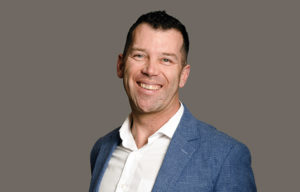
“Economic development is about creating the conditions for businesses, investment and communities to succeed,” said Goodeve. “It means supporting the businesses already here, preparing for new investment and making thoughtful decisions about land, infrastructure, workforce, policy and the long-term direction of the community.”
Goodeve is Principal of Goodeve & Associates, a Registered Professional Planner and a Director of the Economic Developers Association of Canada. A former municipal Director of Planning and Economic Development for three communities, he has more than two decades of experience working at the intersection of economic development, planning and local government. Today, he works with communities across Canada on economic development strategies, investment attraction, business retention and expansion, site selection, land-use planning and investment readiness.
One of the most important aspects of economic development, Goodeve said, is recognizing that it extends well beyond attracting new companies.
“Quite often, the best economic development opportunity is already operating in your community,” he said. “Understanding what local businesses need to expand, reinvest and remain competitive is every bit as important as attracting new investment.”
Economic development can encompass a wide range of activities, including business retention and expansion, entrepreneurship, investment attraction, workforce development, housing, employment lands, infrastructure, downtown revitalization, Indigenous partnerships, tourism, agriculture, economic diversification and disaster recovery.
Municipal councils have an important role in creating the environment in which economic development occurs. Their decisions influence land use, policies and bylaws, infrastructure investment, municipal budgets, development processes and the overall strategic direction of their communities.
“Council provides the leadership and direction,” said Goodeve. “That means establishing priorities, providing the resources to implement them, setting a clear mandate and ensuring economic development is connected to the community’s Official Community Plan, infrastructure decisions, budget and broader strategic goals.”
The connection between planning and economic development is a particular focus of Goodeve’s work. He recently addressed economic development professionals from across Canada at the Economic Developers Association of Canada annual conference in Moncton, NB on how planners and economic developers can work together to accelerate local investment.
“A community can have a great investment attraction strategy, but ultimately it needs the land, servicing, infrastructure, workforce and development framework to support that investment,” he said. “Planning and economic development need to be working together.”
Economic development professionals play a different but complementary role. They work between government and the private sector, building relationships with businesses, investors, developers, First Nations, utilities, educational institutions and other governments. They also work directly with local businesses to understand challenges, identify opportunities and help find solutions to barriers affecting growth and investment.
“The mayor and council can be tremendous champions for their community and can open doors,” said Goodeve. “Economic development professionals help make sure the community is ready when those doors open, while providing businesses and investors with a knowledgeable point of contact to help navigate municipal processes.”
Goodeve says communities should view that professional capacity in much the same way they view other specialized municipal functions.
“You wouldn’t expect a municipality to undertake complex engineering, financial or planning work without professional expertise,” he said. “Economic development deserves that same level of professional attention.”
Measuring economic development also requires looking beyond activity to actual outcomes.
“Meetings, investment inquiries and marketing are part of the work, but ultimately we need to understand what changed,” said Goodeve. “Did an existing business expand? Was a barrier removed? Did an investment move forward? Did employment land become development-ready? Did the community become better positioned for the next opportunity?”
As British Columbians prepare to elect their next municipal councils, Goodeve says candidates who identify economic development as a priority should be encouraged to explain their vision for achieving it.
“What is the strategy? How will it connect to the Official Community Plan, infrastructure and council’s priorities? Who will be responsible for delivering it? What resources will be provided? And, four years from now, how will the community know whether progress has been made?”
“Local government can’t control the economy, but it can help create the conditions for success,” said Goodeve. “When elected leadership, economic development professionals, planners and the business community are working toward a common vision, communities put themselves in a much stronger position to capture opportunities when they come.”
Lead image: A mayor’s gavel. e-KNOW file photo
Submitted