Home »
Wildlife overpass celebrated at Radium Hot Springs
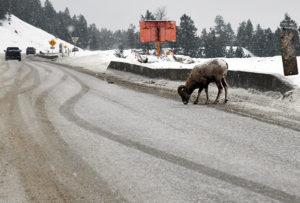
For decades, Mile Hill on Highway 93/95 south of Radium Hot Springs was a killing zone for Rocky Mountain Bighorn Sheep.
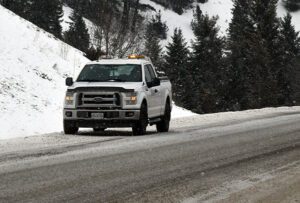
Part of the herd’s traditional range, the highway proved deadly from the mix of speeding traffic and the seasonal lure from ice and snow mitigation measures (salt).
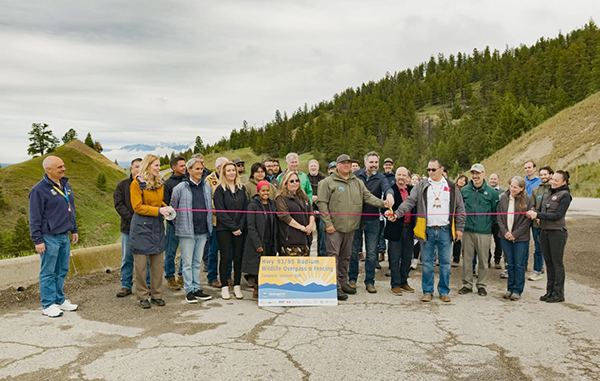
A concerted effort led by elected officials (senior and local), First Nations and conservation groups and businesses eventually led to the establishment of the wildlife overpass, which was officially opened with a brief ceremony June 2.
“This overpass is a monument to the many people who cared enough to keep pushing, often quietly and persistently. For decades, people in Radium Hot Springs and across the region have worked to protect our iconic Rocky Mountain bighorn sheep herd, and the village is proud to have supported this wildlife conservation and community safety project from concept to completion,” stated Village of Radium Hot Springs Mayor Mike Gray.
The likelihood of the overpass becoming a reality was severely boosted with help from the private sector, such as Elk Valley Resources (originally Teck).
“Through our $2.5-million contribution to the Radium wildlife overpass, Elk Valley Resources is helping to maintain wildlife connectivity and protect the region’s vulnerable bighorn sheep population,” said Elk Valley Resources CEO Mike Carrucan.
“This project not only makes this stretch of highway safer for animals, but it also increases safety for residents and visitors, and we are proud to collaborate on such an important project.”
“Highway 93/95 is an important route for people and communities in the area,” said Mike Farnworth, B.C. Minister of Transportation and Transit. “By reducing collisions between vehicles and Radium’s bighorn sheep herd and other wildlife, we’re making a busy transportation corridor safer and enabling the long-term health of travellers and the area’s four-legged inhabitants.”
The importance of the overpass cannot be overstated – both for the safety of people and the sheep.
Conservation groups say the Radium herd is one of the last viable herds of bighorn sheep in the area.
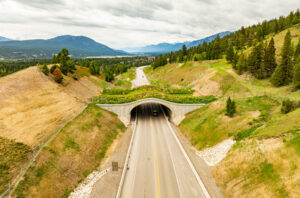
To mitigate the risk to wildlife and drivers, the new overpass includes:
- a 34-metre-wide steel and concrete arch, creating a safe crossing point for wildlife over the busy highway;
- six kilometres of wildlife fencing and gates to guide animals towards the structure and prevent animals from entering traffic lanes;
Animals began using the 34-metre overpass in 2025 even before construction was complete, demonstrating its benefit in reducing collisions and supporting a strong ecosystem.
The overpass is part of a broader effort by the Ministry of Transportation and Transit to protect wildlife and enhance road safety in the region, where collisions between vehicles and bighorn sheep have been a growing concern.
“Radium’s bighorn sheep are part of what makes this area so special, and it’s wonderful to see them already using this new overpass,” said Randene Neill, B.C. Minister of Water, Land and Resource Stewardship. “This project is a great example of people coming together to care for wildlife, support the recovery of a beloved local herd and make the roads safer for everyone travelling through Radium Hot Springs.”
The project was delivered by the ministry, in collaboration with the Ministry of Water, Land, and Resource Stewardship, Parks Canada, the Shuswap Band, the Ktunaxa Nation Council, the Village of Radium, Elk Valley Resources, ICBC and the Habitat Conservation Trust Foundation, reflecting the shared commitment to conservation and community safety.
“Canada’s natural heritage is one of our greatest national assets. Creating safer crossings for wildlife is one way we can help protect the species Canadians cherish while strengthening the economic foundations of our communities and building a more prosperous country,” said Julie Dabrusin, federal Minister of Environment, Climate Change and Nature.
“The Radium wildlife overpass, constructed through Parks Canada’s collaboration with partners in British Columbia, is a strong example of how targeted investments can reconnect habitats divided by highways and other infrastructure. By reducing habitat fragmentation and improving ecological connectivity, this initiative supports safer transportation corridors and more resilient ecosystems. Congratulations, and thank you to all those who contributed to this important project.”
Nathalie Provost, Secretary of State (Nature) added: “By protecting Canada’s lands, waters and wildlife, we safeguard the ecosystems that sustain us and the natural heritage that defines our country. The new Radium wildlife overpass in British Columbia will allow bighorn sheep and other species to safely cross the highway, reducing collisions and improving habitat connectivity. This project supports the long-term health of local wildlife populations within a key movement corridor and helps ensure animals can move more safely across the landscape for generations to come. We thank all those who contributed to making this important achievement possible.”
The new overpass connects national park lands to the east with the Columbia Wetlands to the west, supporting a variety of wildlife, including the local bighorn sheep herd, badger, black bear, cougar, deer, elk and smaller creatures.
When used with wildlife fencing, crossing structures are expected to reduce wildlife-vehicle collisions by more than 80%.
At 34 metres wide, Radium wildlife overpass is the widest wildlife crossing in B.C. outside of national parks.
Images courtesy Elk Valley Resources
e-KNOW